 +381 64 469 73 73
  Pain that radiates down the leg
  Symptoms
  Causes
  Treatment
  FAQ
FAQ  Prices
  Gallery
  Testimonials
  Special offer
  Why choose us?
Cash
Through a current account

Focus Physical Therapy 100% guarantees fast and effective treatment.
SUPER DISCOUNT! 20% off all therapies in June! Call us 24/7!
Do not treat yourself based on information from the Internet!


Pain that starts in the lower back and radiates down the leg, passing through the gluteal region, thigh, and all the way to the foot, is one of the common reasons why patients seek physiotherapy. This condition, known as lumbosciatica, most often occurs when irritation or pressure affects one of the nerve roots in the lumbar spine that contribute to the formation of the sciatic nerve, the largest nerve in the human body. Since these nerves transmit signals important for movement and sensation in the lower limbs, pressure or irritation in the spinal region may lead to pain, tingling, weakness, and other symptoms along the leg.
The lumbar region is designed to withstand significant mechanical loads, but the openings through which the nerves exit the spinal canal are relatively narrow and sensitive to degenerative changes. When an intervertebral disc loses part of its elasticity, bulges, or when bony changes develop that narrow the space around the nerve, irritation or compression may occur, leading to the characteristic radiating pain down the leg. The pattern of pain radiation, whether along the front, side, or back of the leg, can help in the clinical assessment of the affected nerve root, but an accurate diagnosis is established based on examination and, when needed, additional diagnostic evaluation. Early recognition of symptoms and an appropriate therapeutic approach can reduce the risk of long-term discomfort, muscle weakness, and sensory disturbances in the leg.
Symptoms of pain radiating down the leg can range from a mild feeling of heaviness and tingling to severe, shooting pain that may feel like electric shocks. Patients often report that their symptoms worsen in certain body positions, such as prolonged sitting, sneezing, or attempting to straighten the leg while lying down. The clinical presentation is specific because the pain is often felt more intensely in the leg itself than in the lower back, which may create a misleading impression about the true source of the problem.
The most common symptoms associated with pain radiating down the leg include:
These symptoms may indicate irritation or compression of nerve structures in the lower spine and require professional evaluation and an appropriate therapeutic approach. Early recognition of symptoms is important in order to assess the cause of the problem, relieve discomfort, and reduce the risk of further decline in function and quality of life.
Pain radiating down the leg is most commonly associated with mechanical pressure on or irritation of the nerve roots due to degenerative changes in the spine. Factors such as lifting heavy loads with poor body mechanics, obesity, and long-term physical inactivity may contribute to increased strain on the lumbar spine and the development of symptoms. Although the pain is felt in the leg, in many cases the source of the problem is located in the lumbar region, where nerve structures may be exposed to pressure or irritation.
The most common causes of pain radiating down the leg include:
Recognizing the possible causes of these symptoms is important for planning an appropriate therapeutic approach. Each of the listed causes requires an individual assessment and a tailored treatment plan in order to relieve symptoms, improve mobility, and reduce strain on the spine and surrounding structures.
At Focus Physical Therapy Center, our approach to treating pain radiating down the leg is individualized, aiming to eliminate the root cause — nerve compression — rather than just masking symptoms. We use the latest global protocols to decompress pinched nerves and accelerate tissue regeneration, effectively eliminating pain, tingling, and weakness in the legs.
Our treatment process includes:
Ongoing implementation of the recommended exercise program and ergonomic advice ensures that your back and legs remain healthy and resilient to everyday strain. This comprehensive treatment at our center not only eliminates leg pain but also restores complete confidence in your movement, allowing you to return to all life activities without limitations.
Why does pain radiate down the leg?
Pain spreading from the lower back down the leg is most often caused by pressure on a nerve root in the lumbar spine. This pressure can result from a herniated disc, spinal stenosis, or spasms in deep gluteal muscles like the piriformis. When a nerve is compressed, it sends pain signals along its entire path, which patients describe as shooting, burning, or electrical sensations that can reach as far as the toes.
What are the most effective physical procedures for eliminating leg pain?
At the Focus Physical Therapy center, we use modern technology to accelerate nerve decompression. Tecar therapy is exceptionally effective as it acts deeply on inflamed tissue and relaxes muscles pressing on the nerve, while high-inductive magnetism stimulates faster regeneration of nerve fibers. These methods allow inflammation to subside without the need for invasive procedures, restoring normal mobility.
Can leg pain resolve on its own with rest
While minor irritations may temporarily subside after rest, pain radiating down the leg usually indicates a mechanical problem requiring professional intervention. Prolonged rest can be counterproductive as it weakens the muscles meant to keep the spine stable. Physical therapy allows for targeted offloading of the vertebrae, which is the only way to prevent chronic nerve damage and frequent recurrences of pain.
How many treatments are needed for the leg pain to stop?
The number of required treatments is strictly individual and depends on the degree of disc damage and the duration of symptoms. Most patients feel significant relief and a reduction in pain intensity after the first three to four treatments. However, for full stabilization and a safe return to daily activities, a cycle of ten to fifteen working days is usually recommended to sufficiently strengthen the muscles.
Is it safe to massage a painful leg?
Massaging the leg muscles can provide temporary and immediate relief by relaxing tight muscle fibers, but it does not resolve the primary issue located in the spine. If only the leg is massaged while the nerve in the back remains compressed, the pain will quickly return. Therefore, professional manual therapy at the Focus Physical Therapy center is recommended, focusing on releasing the nerve at the source of the problem.
Cash
Through a current account
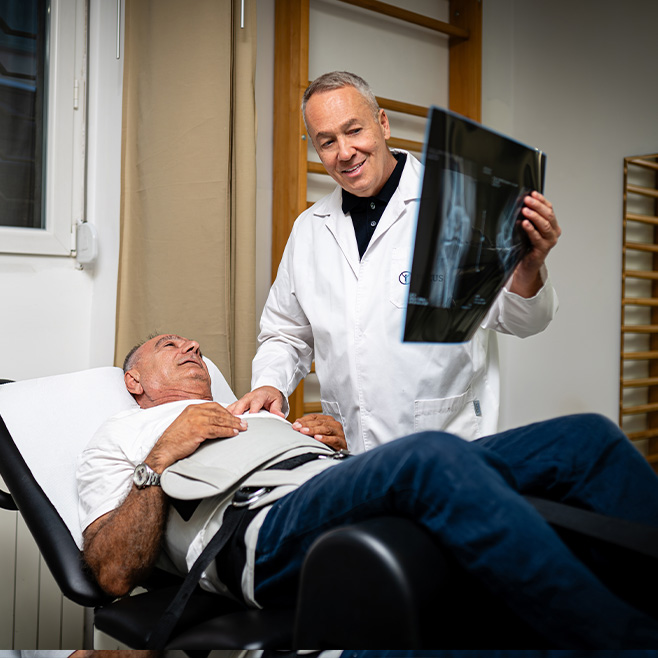
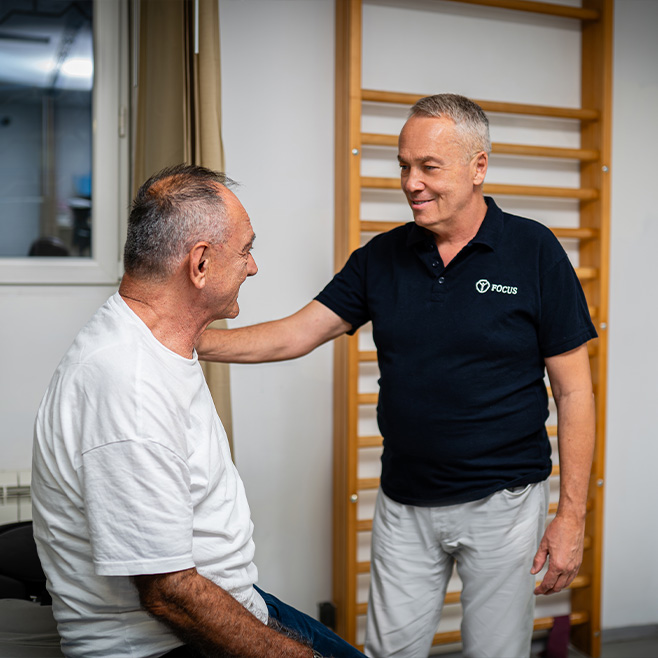
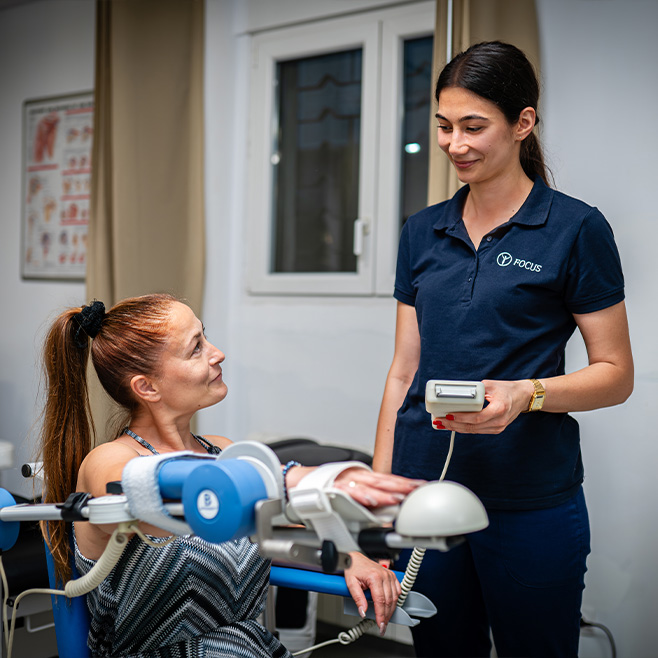
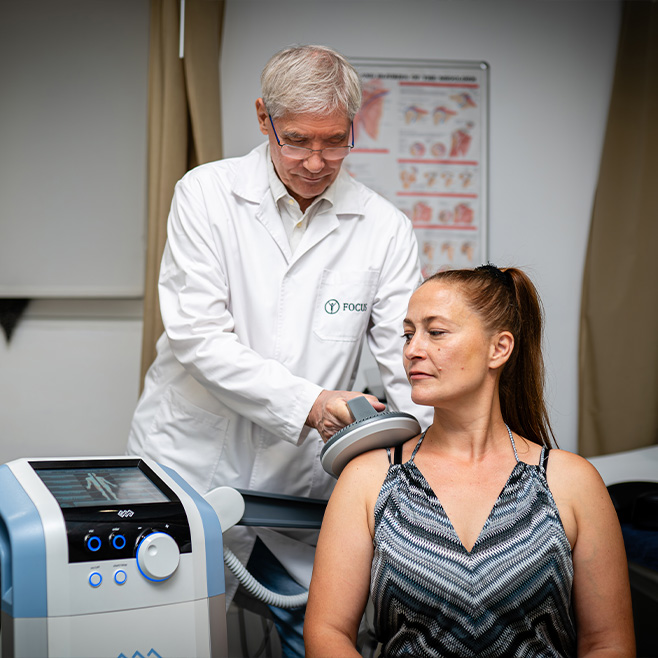
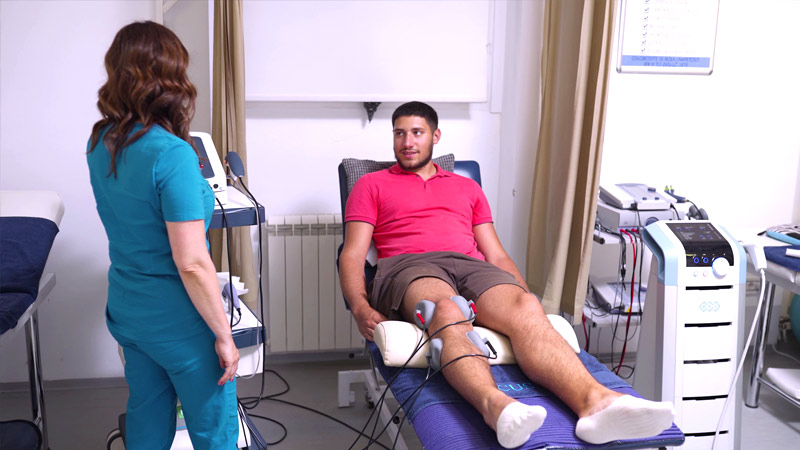

See the experiences of our satisfied patients who successfully recovered with the help of our physical therapy. Get acquainted with the testimonies of patients who faced various joint injuries, sports knee injuries, back injuries and similar problems, which we quickly, efficiently and successfully treated.
Aesthetic surgery
Focus Fizikal is a leading private clinic for physical therapy in Belgrade. For more than 10 years, we have been providing high-quality services that enable quick recovery and healing of our patients.




For all our current and future patients, we have made it possible to schedule an appointment online.



pon-pet:
08:00 - 20:00subota:
08:00 - 15:00


Mon-Fri:
08:00 - 20:00Saturday:
08:00 - 15:00