 +381 64 469 73 73
  Pain when bending the knee
  Symptoms
  Causes
  Treatment
  FAQ
FAQ  Prices
  Gallery
  Testimonials
  Special offer
  Why choose us?
Cash
Through a current account
Focus Physical Therapy 100% guarantees fast and effective treatment.
SUPER DISCOUNT! 20% off all therapies in June! Call us 24/7!
Do not treat yourself based on information from the Internet!


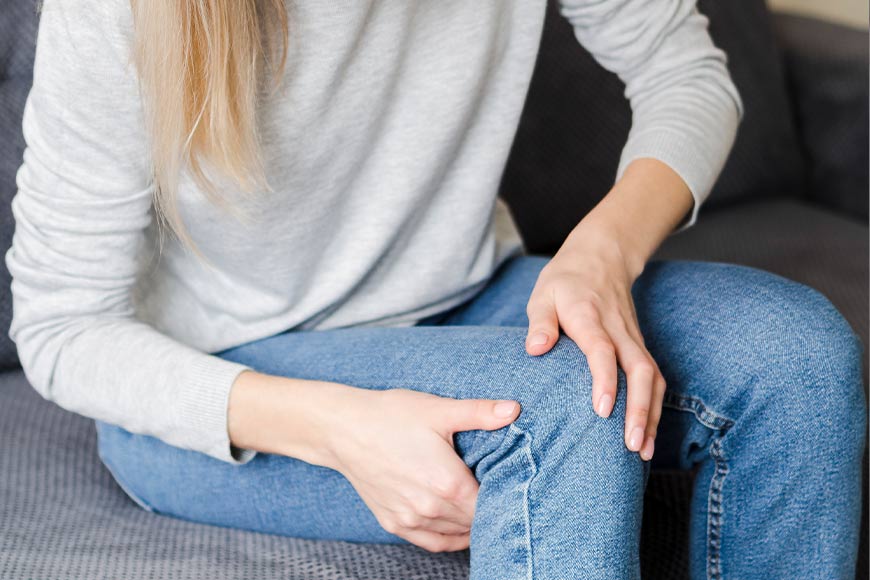
Pain that occurs exclusively or primarily when bending the knee represents a specific complaint that may indicate changes within the joint itself or strain on the surrounding soft tissues. The knee is the largest and one of the most complex joints in the human body, as it is exposed to significant stress during walking, running, climbing stairs, and squatting. The bending mechanism itself requires proper coordination between the kneecap, femur, and lower leg, as well as preserved function of the ligaments and menisci that contribute to stability and shock absorption.
The anatomy of the knee during bending involves the movement of the kneecap (patella) through the groove on the femur, while the menisci adapt to the motion in order to allow proper movement of the joint surfaces. When this biomechanics is disrupted due to swelling, cartilage changes, overload, or other internal joint structures, pain may occur and is often described by patients as tightness, pressure, or stabbing discomfort. Understanding the angle and movement at which the pain appears is important for assessing whether the complaint originates from the front part of the knee or from the deeper joint structures. Timely physiotherapy assessment and appropriately directed treatment can help reduce pain, improve function, and preserve leg mobility.
Symptoms of pain when bending the knee range from mild discomfort during squatting to sharp pain that makes it difficult to walk downstairs or sit with the legs bent. Patients often report a feeling of fullness in the knee, as if there is an obstacle inside the joint preventing a full range of motion. The clinical picture is specific because, along with pain, various sound phenomena may also occur, indicating strain or changes in the joint structures.
The most common symptoms associated with pain when bending the knee include:
These signs may indicate that the joint structures of the knee are under strain and require professional assessment and appropriate treatment. Timely recognition of symptoms is important for reducing pain, improving function, and preventing further worsening of the condition.
The causes of pain when bending the knee are most commonly associated with improper kneecap movement or changes in the internal joint structures involved in shock absorption and stability. Factors such as weakness of the thigh muscles (quadriceps), excess body weight, or wearing inadequate footwear may contribute to the development of symptoms. Although the pain occurs during movement, the cause is often found in a combination of previous injuries, overload, and prolonged strain on the tendon-joint structures.
The main causes of pain when bending the knee include:
Accurately determining the cause of the pain is important for creating an individualized treatment plan and appropriate rehabilitation. Each of the listed causes requires a tailored therapeutic approach in order to reduce pain, improve knee function, and lower the risk of recurrent symptoms.
At Focus Fizikal, our approach to treating knee bending pain is individualized and focused on permanently eliminating the root cause, rather than just masking symptoms. We use the latest medical technologies to eliminate mechanical resistance and inflammation, allowing you to perform squats, walk down stairs, and regain full joint mobility without pain.
The process includes:
Consistent adherence to the recommended exercise program, along with education on proper movement techniques, ensures the long-term maintenance of the achieved results. This comprehensive treatment at Focus Fizikal not only eliminates pain during knee bending but also restores full functionality to the leg, allowing a safe return to all physical activities and sports.
Why does sharp knee pain occur specifically during maximal flexion?
Pain occurring exclusively when bending the knee, such as during squatting or kneeling, usually indicates an issue with the internal joint structures that become compressed in that position. The most common causes are damage to the posterior horn of the meniscus, which gets pinched between the bones, or the presence of loose bodies within the joint capsule. Additionally, in older patients, wear and tear of the cartilage on the back of the kneecap leads to intense friction and pain during deeper leg bends.
What are the most effective methods for treating pain during knee movement?
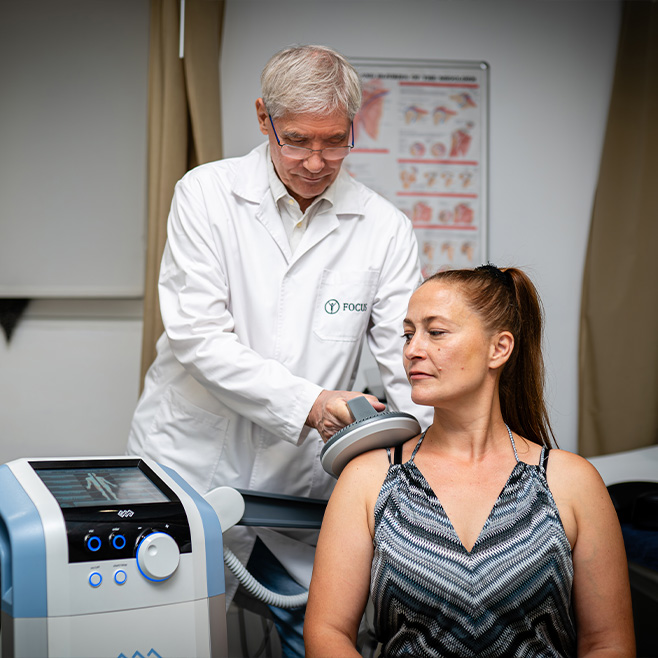
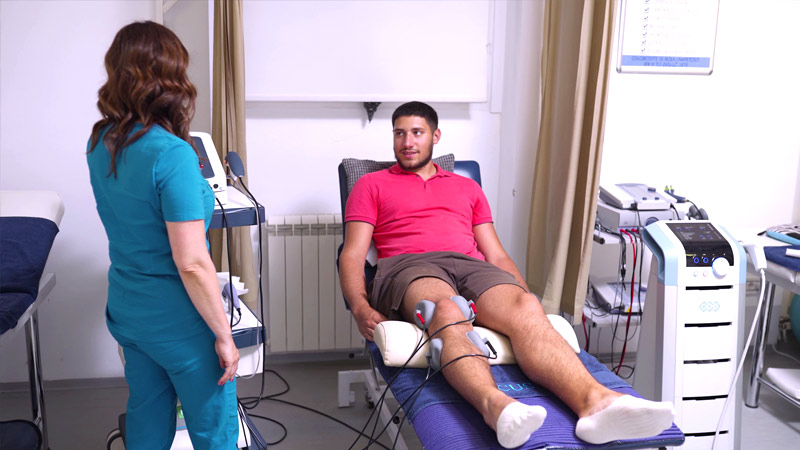
In our center, we use a combination of TECAR therapy and high-power laser therapy that penetrates deep into the joint space. Tecar therapy is crucial as it improves the viscosity of synovial fluid and reduces internal swelling, while the laser stimulates cartilage regeneration and soothes ligament inflammation. These procedures allow for a gradual increase in the range of motion without provoking pain.
Can pain during flexion be caused by a problem in the hip?
Yes, the biomechanics of the lower extremities are closely linked. If the hip is insufficiently mobile, the knee must compensate for this deficiency with additional rotation and stress during bending. During a physical therapy examination at the Focus Physical Therapy center, we check the mobility of the hip and ankle joints to ensure the knee operates in its natural axis without unnecessary stress on soft tissues.
How many treatments are needed to restore full knee mobility?
The recovery timeframe depends on whether the cause of the pain is an acute injury or a chronic degenerative process. Most patients feel relief and greater joint stability after three to five treatments. For permanent functional improvement and a safe return to activities requiring squatting, a cycle of ten to fifteen working days is usually advised, along with a kinesiotherapy program to strengthen stabilizer muscles.
When is pain during knee bending a sign to seek professional help?
If you feel a "blockage" in the joint that prevents you from fully bending or straightening your leg, if you hear clear clicking accompanied by pain, or if you notice swelling above the kneecap, it is time for physical therapy. Timely intervention prevents further deterioration of joint cartilage and allows you to preserve knee function for everyday tasks and sports activities.
Cash
Through a current account
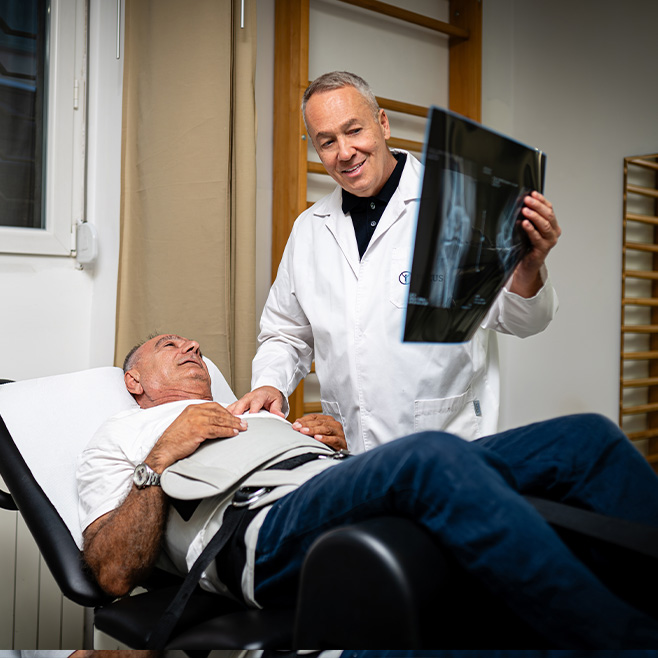
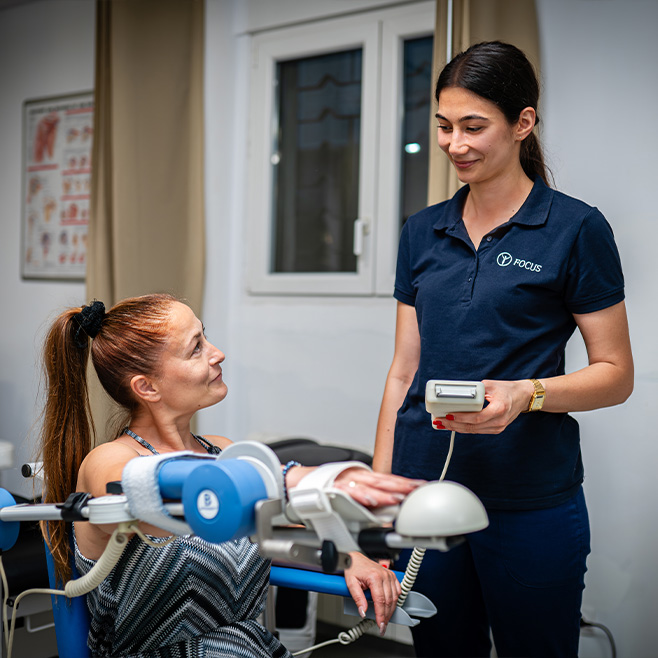

See the experiences of our satisfied patients who successfully recovered with the help of our physical therapy. Get acquainted with the testimonies of patients who faced various joint injuries, sports knee injuries, back injuries and similar problems, which we quickly, efficiently and successfully treated.
Aesthetic surgery
Focus Fizikal is a leading private clinic for physical therapy in Belgrade. For more than 10 years, we have been providing high-quality services that enable quick recovery and healing of our patients.




For all our current and future patients, we have made it possible to schedule an appointment online.



pon-pet:
08:00 - 20:00subota:
08:00 - 15:00


Mon-Fri:
08:00 - 20:00Saturday:
08:00 - 15:00