 +381 64 469 73 73
  Pain when sitting
  Symptoms
  Causes
  Treatment
  FAQ
FAQ  Prices
  Gallery
  Testimonials
  Special offer
  Why choose us?
Cash
Through a current account
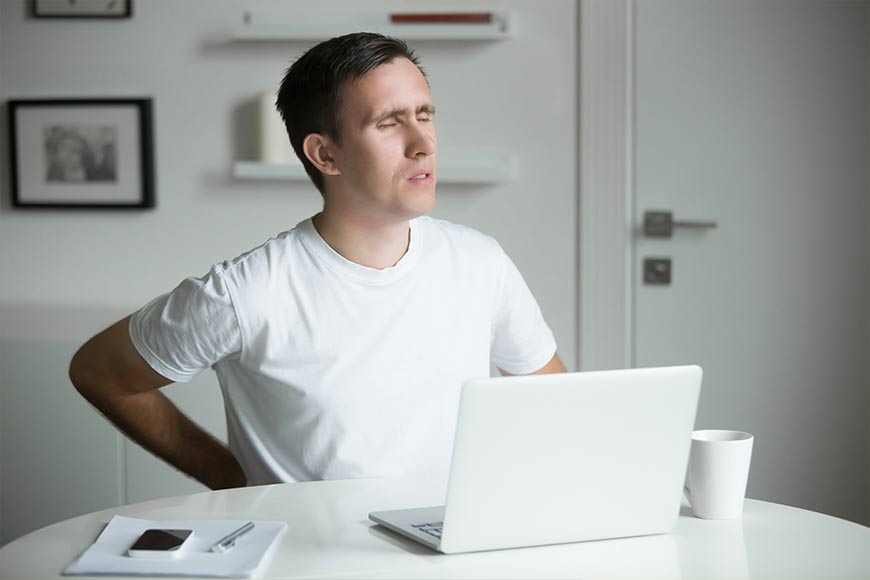
Focus Physical Therapy 100% guarantees fast and effective treatment.
SUPER DISCOUNT! 20% off all therapies in June! Call us 24/7!
Do not treat yourself based on information from the Internet!


Pain that occurs or worsens while sitting is one of the leading problems of modern life, and it is directly caused by the non-physiological load that the lower body is exposed to. While sitting, the weight of the torso is not evenly distributed onto the legs, but rather focuses on a small area of the sitting bones and intervertebral discs in the lower back. This static pressure leads to reduced blood flow in the pelvic muscles and compression of nerves that pass through the narrow channels of the sitting region, which the brain registers as pain, tingling, or a burning sensation.
The anatomy of the sitting region includes the sacrum, sitting bones, and a complex system of muscles, among which the most significant are the gluteal muscles and deep hip rotators like the piriformis. Vital nerves and blood vessels that supply the lower limbs pass between these structures. When muscles remain in a shortened position for long periods due to sitting, they become tense and can directly press on the sciatic nerve. Understanding the connection between pelvic positioning and pressure on the discs in the lower back is crucial for determining the cause of discomfort. Timely physical therapy intervention and correction of sitting ergonomics can prevent the development of chronic changes in the spine and ligaments.
The symptoms of pain while sitting vary from a dull discomfort in the lower back to sharp pain that radiates down the legs or is localized around the tailbone. Patients often describe the need to constantly shift positions or transfer their weight from one side to the other to relieve the pressure. The clinical picture is specific in that the pain typically decreases or completely disappears as soon as the person stands up and starts walking, indicating the mechanical nature of the problem.
The most common symptoms accompanying pain while sitting include:
These signs are clear indicators that the soft tissues and joints of the pelvis are under strain that exceeds their current tolerance. Timely recognition of these symptoms can prevent the development of more serious conditions, such as disc herniation or chronic myofascial syndrome.
The cause of pain while sitting is most commonly linked to poor ergonomics, but may also have roots in old injuries or degenerative changes. Factors such as weakness of the abdominal wall muscles, excess body weight, or the use of inadequate chairs directly contribute to the pressure on sensitive structures. Although the patient feels discomfort in the sitting area, the root cause is often found in the combination of shortened hip flexor muscles and overstretched lumbar spine muscles.
The main causes of pain while sitting include:
Accurately identifying the source of irritation allows for the creation of an individualized treatment plan that will permanently relieve the pressure in the area and correct the body's posture. Each of these causes requires a specific rehabilitation approach to achieve long-term relief.
At Focus Physical Therapy, our approach to treating pain while sitting is individualized and focused on permanently eliminating the root cause — from sciatic nerve compression to pelvic misalignment — rather than simply masking the symptoms. We use the latest medical technologies to eliminate deep muscle spasms and nerve pressure, allowing you to enjoy a comfortable and pain-free workday.
The process includes:
Consistently following the recommended exercise program and education on proper sitting ergonomics ensures the long-term maintenance of the results. This comprehensive treatment at Focus Physical Therapy not only eliminates pain while sitting but also restores full productivity and allows you to return to all daily activities without limitations.
Why does sharp pain occur in the lower back and tailbone after prolonged sitting?
Prolonged sitting places the spinal column in an unnatural position where intervertebral discs endure twice as much pressure as when standing. When stabilizer muscles weaken, body weight is directly transferred to the L4 and L5 vertebrae and the coccyx itself. This leads to irritation of the periosteum or soft tissues around the tailbone, which patients describe as a sharp, stabbing pain occurring when trying to stand up or change positions in a chair.
What are the most effective methods for removing pain caused by sitting?
At the Focus Physical Therapy center, we use a combination of TECAR therapy and manual spinal decompression. Tecar therapy deeply relaxes the muscles that are constantly tense during sitting, such as the piriformis and iliopsoas, while manual techniques restore mobility to the pelvic joints. This approach allows for an immediate reduction in nerve pressure and improves circulation in the gluteal region, permanently eliminating the pain.
Can pain while sitting be related to sciatic nerve irritation?
Yes, one of the most common causes is piriformis syndrome. This small muscle in the gluteal area can become so tense due to long sitting that it begins to mechanically compress the sciatic nerve passing directly beneath it. This causes pain radiating from the gluteal area down the leg, often accompanied by numbness. Through an examination at our center, we determine whether the cause lies in the muscle or the spinal disc.
How many treatments are needed to make sitting painless again?
The speed of recovery depends on the degree of tissue irritation and how long the problem has persisted. Most patients feel relief and less stiffness in the lower back after three to five physical therapy treatments. For stabilization and a safe return to work activities, a cycle of ten working days is usually recommended, along with education on proper ergonomic sitting and short stretching breaks.
When is pain while sitting a sign that professional physiotherapy help is needed?
If the pain becomes so intense that you cannot sit for more than fifteen minutes, if you feel a dull pain radiating toward the groin, or if the tailbone becomes sensitive even on a soft surface, it is time for therapy. A timely response in our center prevents the development of chronic pelvic ligament inflammation and disc herniation, allowing you to maintain productivity and comfort during the workday.
Cash
Through a current account
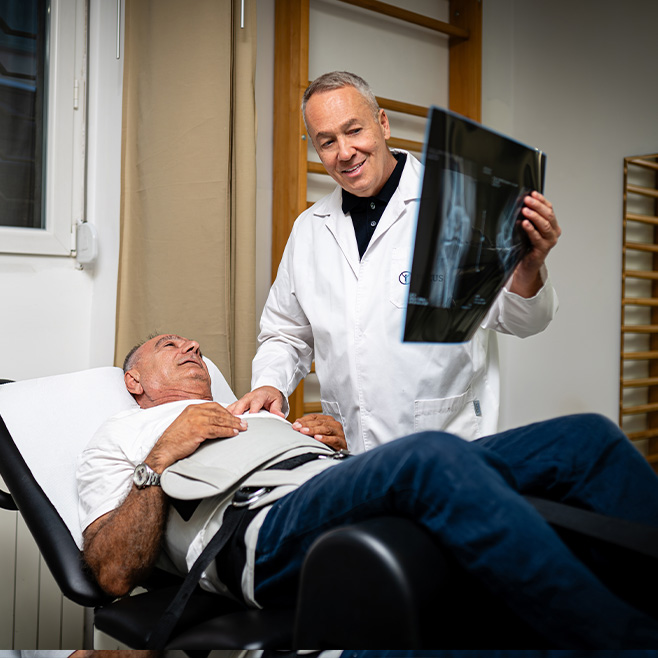
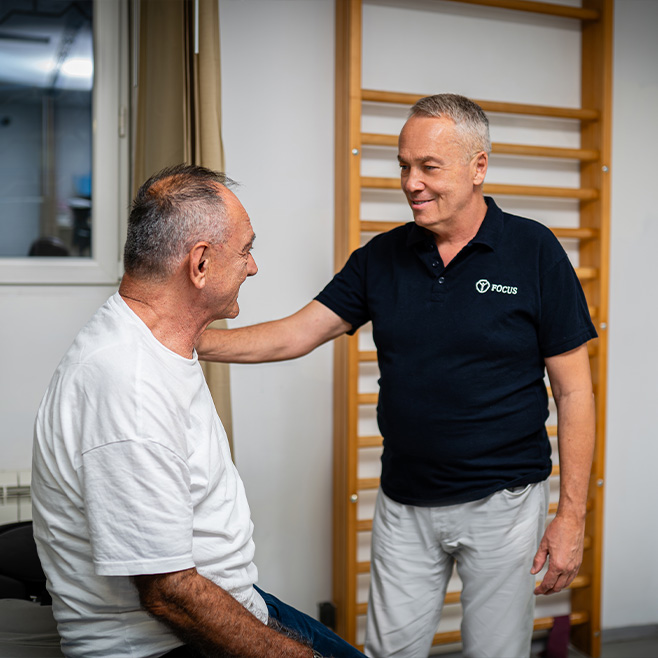
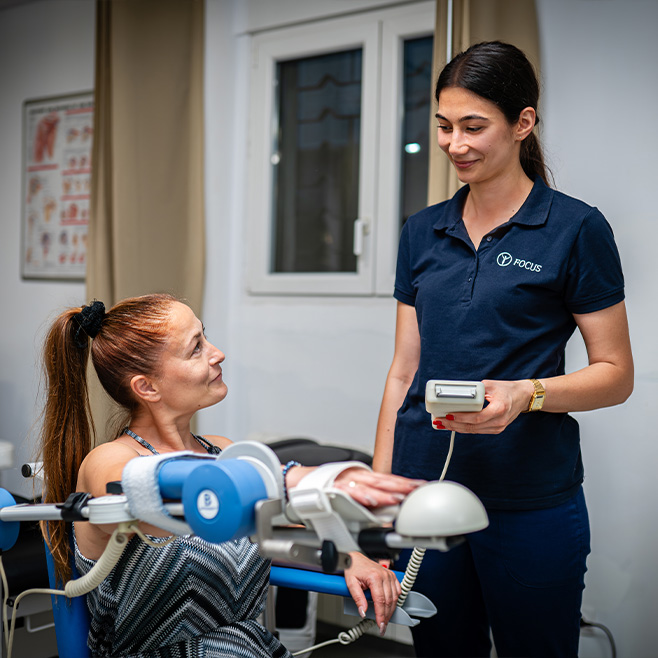
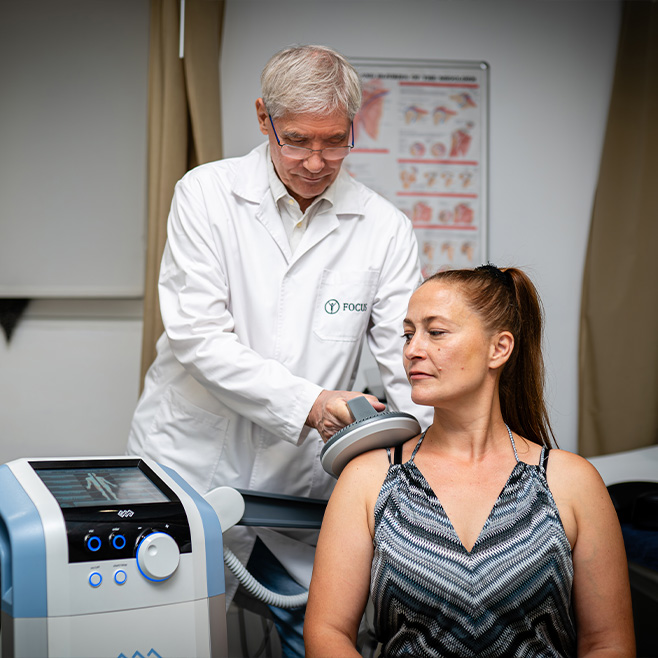
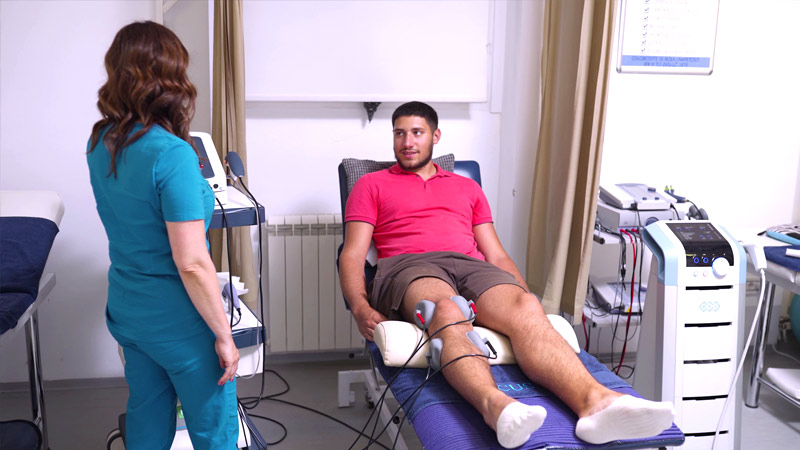

See the experiences of our satisfied patients who successfully recovered with the help of our physical therapy. Get acquainted with the testimonies of patients who faced various joint injuries, sports knee injuries, back injuries and similar problems, which we quickly, efficiently and successfully treated.
Aesthetic surgery
Focus Fizikal is a leading private clinic for physical therapy in Belgrade. For more than 10 years, we have been providing high-quality services that enable quick recovery and healing of our patients.




For all our current and future patients, we have made it possible to schedule an appointment online.



pon-pet:
08:00 - 20:00subota:
08:00 - 15:00


Mon-Fri:
08:00 - 20:00Saturday:
08:00 - 15:00