 +381 64 469 73 73
  Patellar pain
  Symptoms
 Treatment
  FAQ
FAQ  Prices
  Gallery
  Testimonials
  Special offer
  Why choose us?
Cash
Through a current account
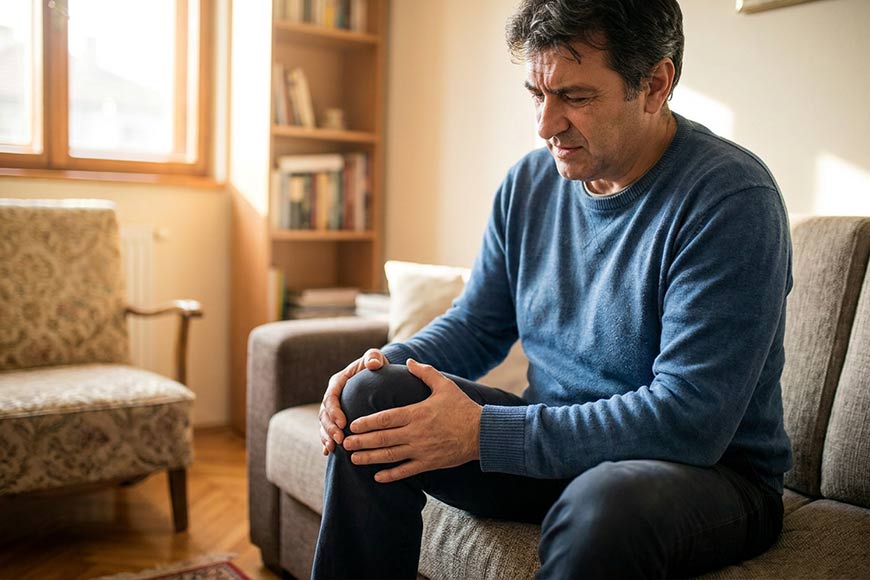
Focus Physical Therapy 100% guarantees fast and effective treatment.
SUPER DISCOUNT! 20% off all therapies in May! Call us 24/7!
Do not treat yourself based on information from the Internet!


The patella is the largest sesamoid bone in the human body, located within the tendon of the quadriceps muscle, and plays a key role in knee biomechanics by increasing the leverage during leg extension. Patellar pain arises when its optimal “tracking” within the anatomical groove of the femur (trochlea) is disrupted. Any deviation from the correct path of the patella creates uneven pressure on the articular cartilage, leading to chronic inflammation and painful sensations.
At Focus Physical Therapy, patellar pain is viewed as the result of a complex biomechanical imbalance. Often, the underlying cause is not in the knee itself but in hip muscle weakness or foot deformities that force the patella to move abnormally. Our specialized approach focuses on precise testing of the kinetic chain to determine why the anterior segment of the knee is overloaded and how to neutralize these forces.
Understanding patellofemoral mechanics is key to successful treatment. Timely gait correction and targeted strengthening of specific muscle groups at Focus Physical Therapy enable patients to eliminate pain and halt the process of chondromalacia (softening of the cartilage), thus preserving long-term knee health.
The clinical presentation of patellar pain is specific and is most often described as a dull, aching discomfort deep behind the patella or along its edges. Symptoms rarely appear at rest; they are closely associated with activities that increase compression in the patellofemoral joint.
The most common symptoms include:
Early identification of these symptoms at Focus Physical Therapy allows us to differentiate patellofemoral syndrome from meniscus or ligament injuries, saving valuable time in the recovery process.
The cause of patellar pain is multifactorial and most often lies in a combination of structural abnormalities and functional weaknesses of the muscular apparatus.
Main causes include:
At Focus Physical Therapy, we perform a detailed analysis of these factors because only by addressing the root cause can we ensure lasting recovery without recurrence.
The treatment approach at Focus Physical Therapy is strictly individualized and aimed at patellar repositioning, pain reduction, and regeneration of damaged cartilage, utilizing the most advanced technologies. Our goal is to restore proper lower limb biomechanics, prevent recurrent injuries, and enable a swift return to sports and daily activities.
The rehabilitation process involves several key steps:
By combining these methods, patients at Focus Physical Therapy receive a personalized, multidisciplinary treatment plan that reduces pain, swelling, and inflammation, restores cartilage function, and stabilizes lower limb biomechanics. This approach enables a safe and rapid return to sports, improves quality of daily life, and significantly reduces the risk of recurrence of patellofemoral joint problems.
What can cause pain in the patella?
Pain in the patella can be caused by knee overuse, improper alignment of the kneecap, ligament or tendon injuries, joint inflammation, or degenerative cartilage changes (known as “patellofemoral syndrome”). Physical therapy helps strengthen the muscles around the knee and improve stability and joint mobility, which reduces pain.
Does pain in the patella indicate a serious problem?
Pain in the patella does not necessarily indicate a serious problem. It is often related to overuse or weakness in the muscles that stabilize the knee. However, if pain persists, worsens, or is accompanied by swelling, redness, or inability to bend or straighten the knee, a medical evaluation is recommended.
Will physical therapy hurt with patella pain?
Physical therapy is not intended to hurt the patient. During exercises or massage, temporary discomfort may occur due to the use of weak muscles or tendons in recovery. This is a normal body response and usually subsides after treatment. The goal of therapy is the gradual reduction of pain and improvement of knee function.
How does physical therapy help with patella pain?
Physical therapy strengthens the quadriceps and other muscles that stabilize the patella, improves joint mobility and circulation, reduces tension in tendons and ligaments, and helps maintain proper kneecap alignment during movement. All of this contributes to pain reduction and makes daily activities like walking, climbing stairs, or squatting easier.
How long does recovery from patella pain take with physical therapy?
The recovery time depends on the cause of the pain and the patient’s overall condition. Some patients notice improvement after a few sessions, while others may require several weeks of regular therapy. The goal is gradual pain reduction and restoration of full knee function.
Cash
Through a current account
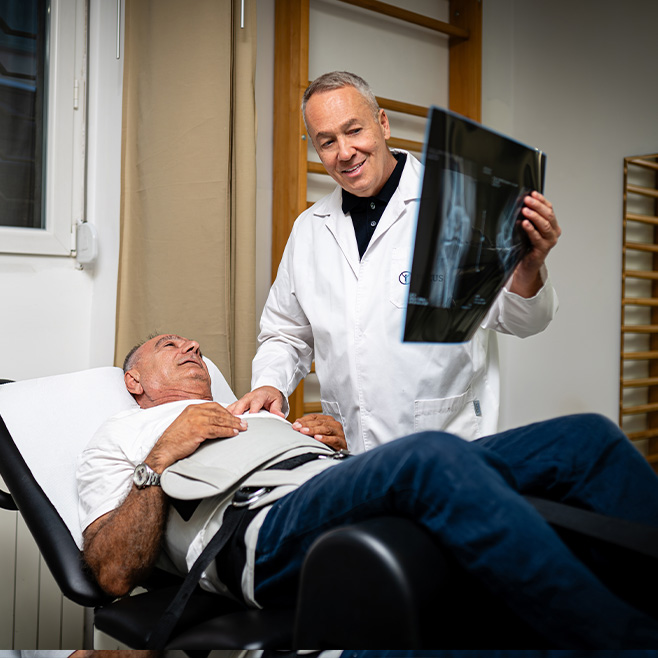
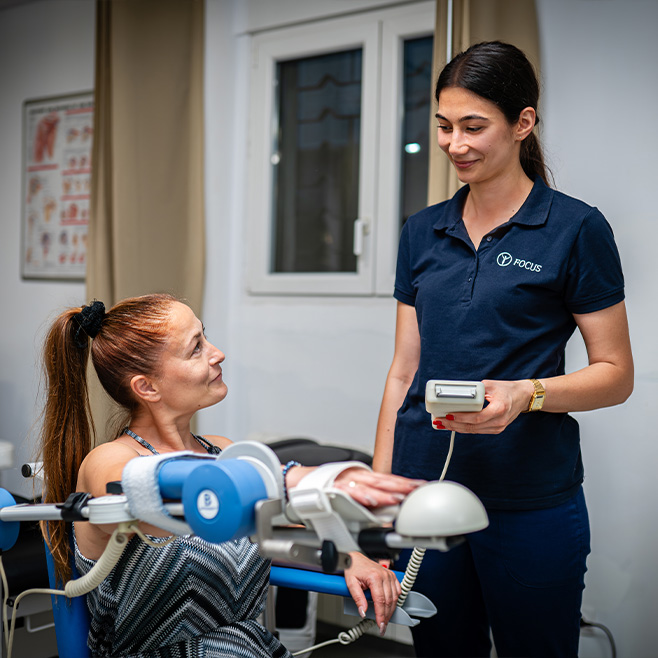
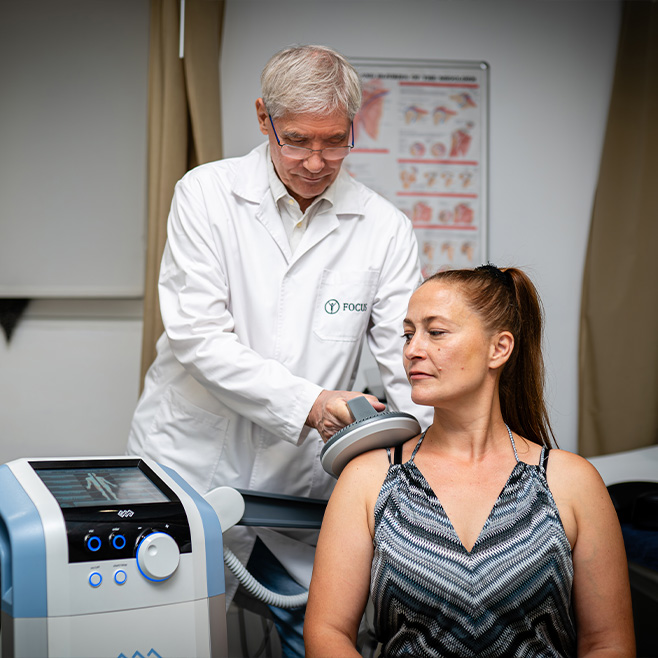
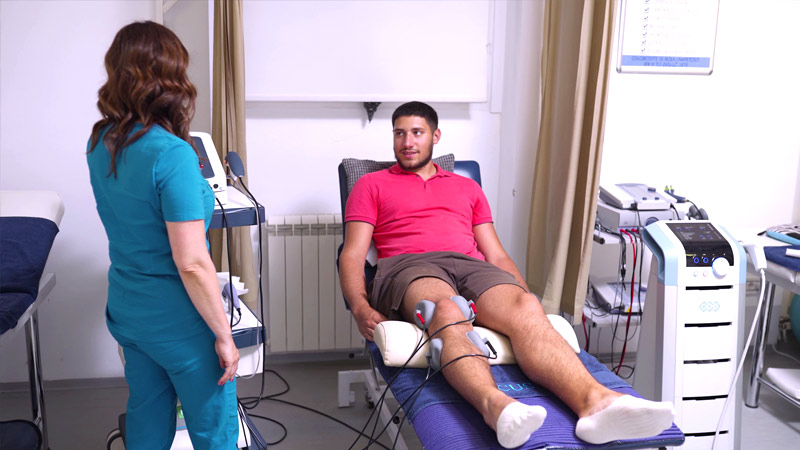

See the experiences of our satisfied patients who successfully recovered with the help of our physical therapy. Get acquainted with the testimonies of patients who faced various joint injuries, sports knee injuries, back injuries and similar problems, which we quickly, efficiently and successfully treated.
Aesthetic surgery
Focus Fizikal is a leading private clinic for physical therapy in Belgrade. For more than 10 years, we have been providing high-quality services that enable quick recovery and healing of our patients.




For all our current and future patients, we have made it possible to schedule an appointment online.



pon-pet:
08:00 - 20:00subota:
08:00 - 15:00


Mon-Fri:
08:00 - 20:00Saturday:
08:00 - 15:00