 +381 64 469 73 73
  Pelvic pain in men
  Symptoms
  Causes
  Treatment
  FAQ
FAQ  Prices
  Gallery
  Testimonials
  Special offer
  Why choose us?
Cash
Through a current account
Focus Physical Therapy 100% guarantees fast and effective treatment.
SUPER DISCOUNT! 20% off all therapies in June! Call us 24/7!
Do not treat yourself based on information from the Internet!


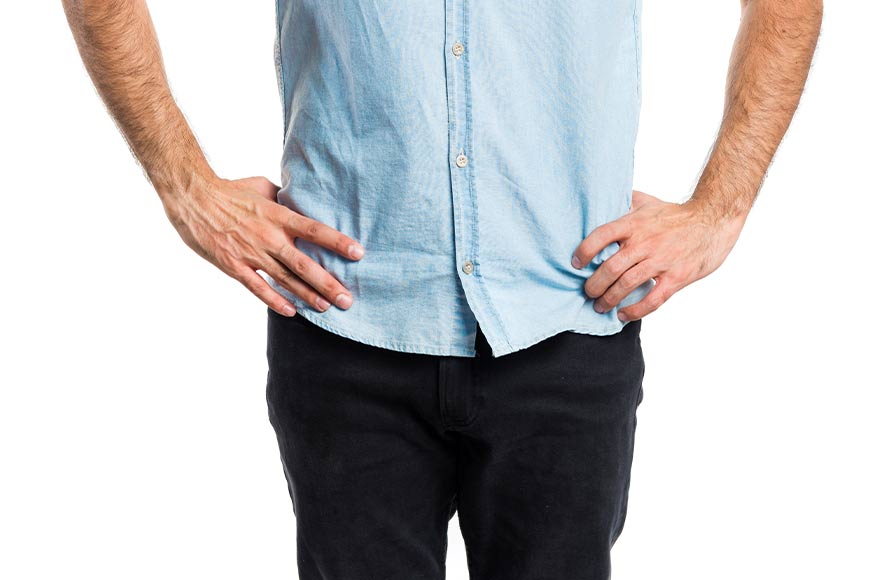
Pain in the pelvic area in men represents a specific and often complex clinical challenge, as it encompasses a broad region between the lower abdomen, hips, and buttocks. This area functions as the mechanical center of the body, where the trunk muscles, leg tendons, and nerve endings that control vital functions converge. The pelvic ring in men is firm and stable, but its musculature, known as the pelvic floor, is prone to chronic tension and spasms, which can cause diffuse or sharp pain.
The anatomy of this region includes the pelvic bones (ilium, sacrum, and symphysis), deep hip rotators, and a layer of pelvic floor muscles that support the internal organs. Pain occurs when these muscles enter a state of constant contraction, leading to pressure on nerves such as the pudendal nerve or irritation of tendon attachments. In modern men, prolonged sitting, stress, and intense training without adequate stretching can lead to microtraumas in the soft tissues of the pelvis. Understanding the relationship between the position of the lumbar spine and tension in the pelvic floor is crucial for determining the cause of discomfort. Timely physiotherapeutic diagnosis prevents the development of chronic pelvic pain syndrome and improves the overall functionality of the urogenital system.
The symptoms of pelvic pain in men vary from a dull discomfort in the groin and testicular area to sharp pressure in the pelvic floor or buttocks. Patients often report that the pain intensifies when sitting on hard surfaces or after physical exertion. The clinical picture is specific because the pain can radiate from the lower abdomen to the hip, creating a sensation of constant tension that is difficult to precisely localize.
The most common symptoms accompanying pelvic pain in men include:
These signs are clear indicators that the musculoskeletal structures of the pelvis are under strain, requiring professional evaluation. Recognizing the symptoms early allows the physical therapist to apply relaxation techniques and prevent long-term impairment of quality of life.
The causes of pelvic pain in men are most commonly associated with neuromuscular imbalance, postural stress, and referred pain from the spine. Factors such as core muscle weakness, prolonged sitting in improper positions, or previous hip injuries directly contribute to the onset of pelvic floor spasms. Although prostate inflammation is often suspected, in many cases, the cause is purely mechanical.
The main causes of pelvic pain in men include:
Accurately determining whether the pain originates from muscle spasms, nerve irritation, or joint dysfunction allows for the creation of an individualized treatment plan. Each of these causes requires a specific rehabilitation approach to achieve lasting pain relief.
Our approach to treating pelvic pain in men at the Focus Physical Therapy center is strictly individualized and aimed at the rapid elimination of the root cause, ranging from Chronic Pelvic Pain Syndrome (CPPS) and pelvic floor muscle spasms to pudendal nerve compression and sacroiliac joint dysfunction. We utilize state-of-the-art medical technology that performs deep muscle decontraction, releases nerve pressure, and restores optimal circulation to the pelvic region, providing a sense of lightness, stability, and a return to daily activities without discomfort.
Physiatric Examination and Kinesiological Assessment: A detailed functional assessment of posture, hip mobility testing, and precise palpation of muscle trigger points in the pelvic region. We identify the exact source of tension and biomechanical imbalance to create the fastest plan for unlocking the pelvic ring.
HILT Laser (High-Intensity Laser Therapy): Powerful biostimulation that penetrates deep into the inflamed soft tissues and nerve structures of the pelvis. The HILT laser instantly suppresses inflammation, reduces pain sensitivity, and accelerates regeneration at the cellular level, providing rapid analgesia for chronic pain conditions.
TECAR Therapy: Radiofrequency therapy that uses internal heat to achieve immediate decontraction of the deep pelvic floor and hip muscles. TECAR therapy drastically improves local metabolism and circulation, eliminating the tension that causes pressure and pain in the lower abdomen and pelvic area.
Super Inductive System (SIS) - High-Inductivity Magnetotherapy: Application of a powerful magnetic field that acts on deep muscle layers and nerves, stimulating muscle relaxation and soothing irritated nerve endings. This method is crucial for long-term pelvic stabilization and normalization of the neuromuscular response.
Manual Therapy and Myofascial Release: Specialized manual techniques used by our experts to release fascia and deep pelvic floor muscles from excessive pressure. Mobilization of soft tissues and hip joints instantly improves movement biomechanics and reduces mechanical stress on the pelvic ring.
Kinesitherapy and Core Stabilization: An individually guided exercise program with an emphasis on specific breathing techniques, pelvic stretching, and strengthening the deep core stabilizers. These exercises permanently correct posture and make the pelvis resilient to stress and prolonged sitting.
Education and Stress Management: Counseling on ergonomics during sitting, proper dosing of physical exertion, and relaxation techniques to prevent muscle spasms. Our goal is to teach you self-help techniques that will prevent symptom recurrence and maintain the results achieved.
The comprehensive application of these advanced methods at the Focus Physical Therapy center guarantees maximum treatment efficiency even in persistent chronic conditions. With our personalized approach, you will regain the natural functionality of your pelvis and be able to return to your responsibilities without pain, pressure, or limitations.
Can pelvic pain in men be related to the spine?
Yes. Problems in the lower spine, such as a herniated disc or degenerative changes, can irritate the nerves that innervate the pelvic region, causing referred pain that is felt in the groin or pelvic floor.
How long does it take to recover from chronic pelvic pain?
With intensive physical therapy and manual techniques, patients usually experience significant relief after three to six weeks. Complete stabilization of the condition depends on the chronicity of the problem and the regularity of performing corrective exercises.
Are stretching exercises helpful for this type of pain?
Specific stretching exercises for the hips, adductors, and pelvic floor muscles are essential for relaxing tense structures. However, the exercises should be performed carefully and only under the instructions of a physical therapist to avoid further irritation of the nerves.
When is pelvic pain a sign that an urgent examination by a urologist or orthopedic surgeon is necessary?
An urgent examination is necessary if the pain is accompanied by a high fever, sudden swelling in the groin area, blood in the urine, or if there is a sudden inability to urinate.
Can pelvic pain come from the hip?
Yes. Problems like femoroacetabular impingement (FAI) or early hip osteoarthritis often present as pain in the front of the pelvis and groin. Limited hip rotation puts additional pressure on the pelvis itself and the lower back.
Cash
Through a current account
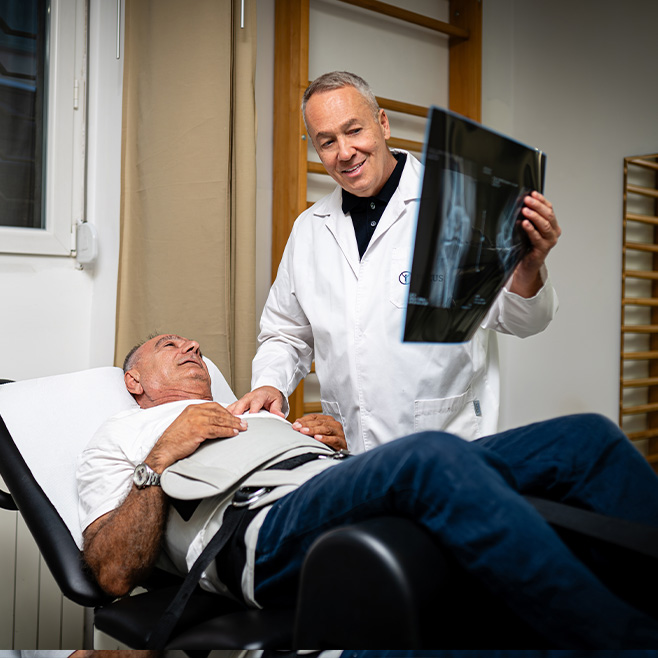
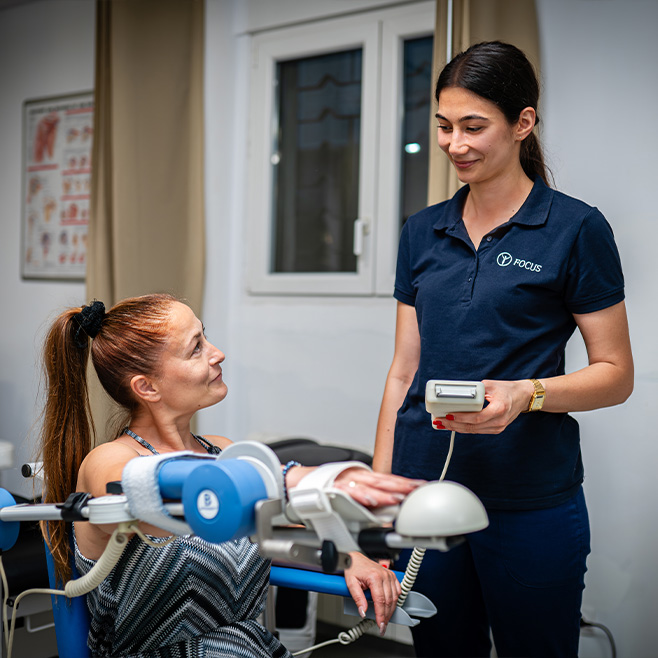
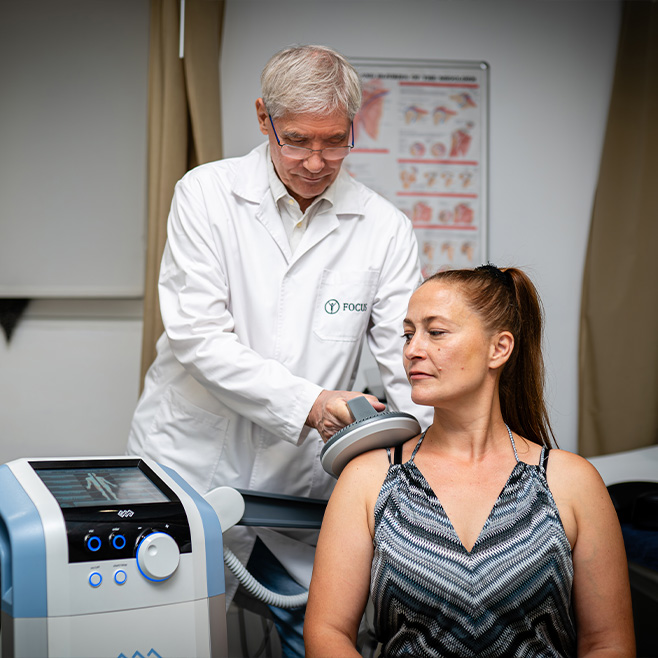
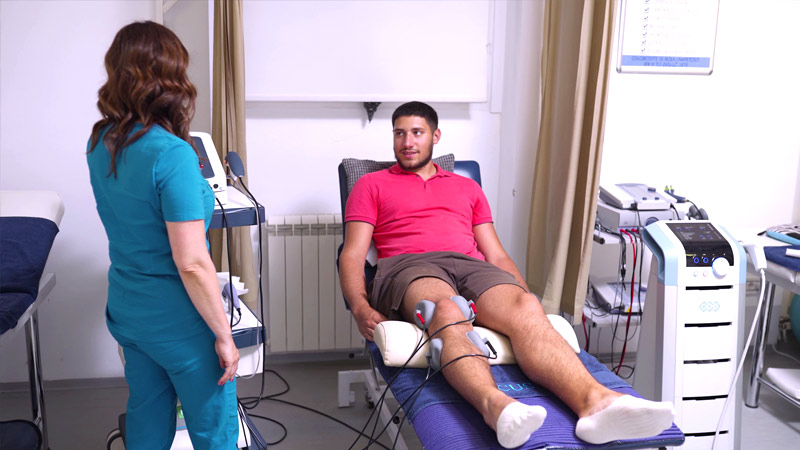

See the experiences of our satisfied patients who successfully recovered with the help of our physical therapy. Get acquainted with the testimonies of patients who faced various joint injuries, sports knee injuries, back injuries and similar problems, which we quickly, efficiently and successfully treated.
Aesthetic surgery
Focus Fizikal is a leading private clinic for physical therapy in Belgrade. For more than 10 years, we have been providing high-quality services that enable quick recovery and healing of our patients.




For all our current and future patients, we have made it possible to schedule an appointment online.



pon-pet:
08:00 - 20:00subota:
08:00 - 15:00


Mon-Fri:
08:00 - 20:00Saturday:
08:00 - 15:00