 +381 64 469 73 73
  Shin pain
  Symptoms
  Causes
  Treatment
  FAQ
FAQ  Prices
  Gallery
  Testimonials
  Special offer
  Why choose us?
Cash
Through a current account
Focus Physical Therapy 100% guarantees fast and effective treatment.
SUPER DISCOUNT! 20% off all therapies in June! Call us 24/7!
Do not treat yourself based on information from the Internet!


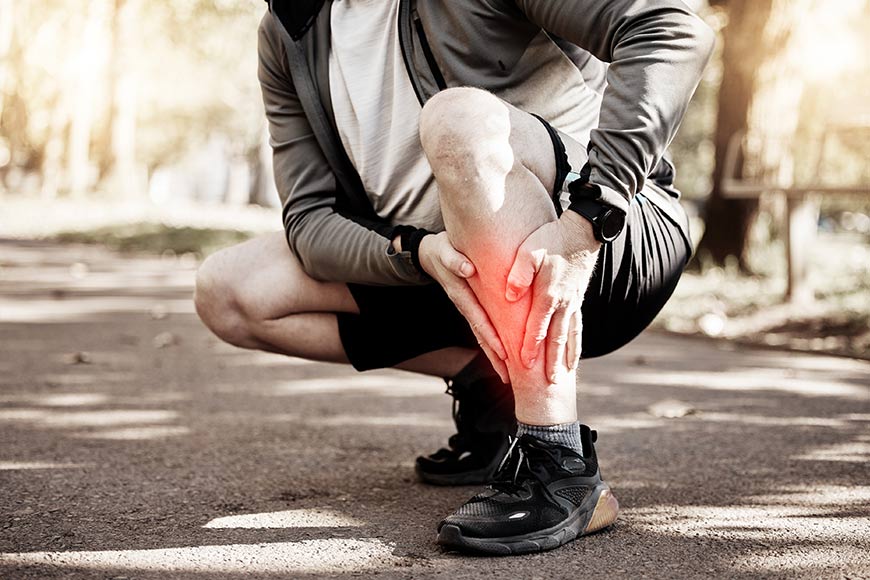
Pain that occurs in the area of the shin, just below the knee, is a common issue that affects the front of the lower leg and directly impacts gait mechanics. This region serves as the anatomical connection between the knee and the foot, where the anterior tibial muscle (m. tibialis anterior) plays a crucial role in lifting the foot towards the face and cushioning the impact of the heel on the ground. Since this muscle is located in a tight fascial space, any overuse or swelling leads to increased pressure on surrounding nerves and the bone structure of the shin.
The anatomy of the front part of the lower leg includes the tibia (the larger bone of the lower leg), its periosteum (bone membrane), and muscle compartments separated by tough connective tissue sheaths. Below the knee is the bony prominence (tuberositas tibiae) where the powerful patellar tendon attaches, making this area susceptible to significant mechanical stress. Any irregular movement, such as excessive running on hard surfaces or sudden changes in direction, causes microtrauma at the point where the muscles pull on the shinbone’s periosteum.
Understanding the relationship between ankle stability and tension in the shin is critical in identifying the root cause of the issue. Timely physiotherapeutic diagnostics and manual fascial treatment help prevent the development of chronic periostitis and damage to the bone tissue.
Symptoms of shin pain below the knee can vary from a dull, diffuse discomfort that appears at the start of physical activity to a sharp, stabbing pain that makes normal walking impossible. Patients often describe the sensation as feeling like their shin is "tight" or as if the bone is burning with every touch. The clinical picture is distinctive because the pain often subsides at rest but returns as soon as the load on the foot increases.
The most common symptoms accompanying shin pain include:
These signs are clear indicators that the bone-muscle structures of the lower leg are under excessive strain, requiring professional evaluation. Recognizing these symptoms early allows the physiotherapist to apply techniques for muscle compartment decompression and prevent the development of stress fractures.
The causes of shin pain are most commonly associated with overuse syndromes due to sports activities or sudden changes in daily routines. Factors such as running in inadequate footwear, sudden increases in mileage, or congenital foot deformities directly contribute to the onset of inflammatory processes. While the pain is felt in the shin, the underlying cause is often related to poor walking mechanics or weakness in the hip muscles that fail to properly control the rotation of the leg.
The main causes of pain in the shin below the knee include:
Accurately identifying the cause of irritation allows for the creation of a personalized treatment plan that will permanently relieve shin pain and restore its elasticity. Each of these causes requires a specific rehabilitation approach to achieve long-term relief.
Treatment of shin pain at the Focus Physical Therapy Center is focused on reducing periosteal inflammation and relieving excessive fascial pressure through advanced physical therapy procedures. The therapeutic protocol combines the use of technology that accelerates bone and muscle tissue regeneration with manual techniques that improve circulation and reduce tension in the lower leg structures. Successful rehabilitation involves eliminating pain and strengthening the muscles of the lower leg and foot that support the arch and stability during movement.
A modern rehabilitation approach includes the following phases:
Continuous adherence to the recommended exercise program is essential for maintaining results and preventing recurrence of shin pain. This comprehensive approach restores confidence with every step and allows a safe return to physical activity without limitations.
Why does shin pain worsen during running on hard surfaces?
Concrete and other hard surfaces do not absorb shocks, so all the force from the impact is transferred directly to the bones and muscles of the lower leg. This leads to excessive vibration of the bones and increased pulling of the muscles on the periosteum, quickly causing inflammation and pain in sensitive individuals.
Can shin pain be related to flat feet?
Yes, fallen arches cause the foot to excessively tilt inward (pronation) with each step. This further stretches the muscles that attach to the shin, creating unnatural tension on the bone and leading to chronic pain in the front of the lower leg.
How long does it take to recover from periosteal inflammation of the shin?
Recovery time depends on the severity of irritation, but with proper physical therapy, significant improvement is typically achieved within three to six weeks. It’s crucial during this period to reduce the intensity of activities that cause pain, allowing the tissue to fully regenerate.
Is stretching allowed while experiencing shin pain?
Gentle stretching of the calf muscles and the anterior tibialis can help reduce tension, but aggressive stretching during the acute phase of intense pain may further irritate the already inflamed periosteum. It is recommended to first calm the inflammation with physical treatments before engaging in intensive stretching.
When is shin pain a sign that an X-ray or MRI is necessary?
If the pain is localized to a specific point on the bone and does not subside after several days of rest, if swelling persists, or if you experience pain even while resting in bed, radiological diagnostics (X-ray or MRI) are necessary to check for the presence of a stress fracture.
Cash
Through a current account
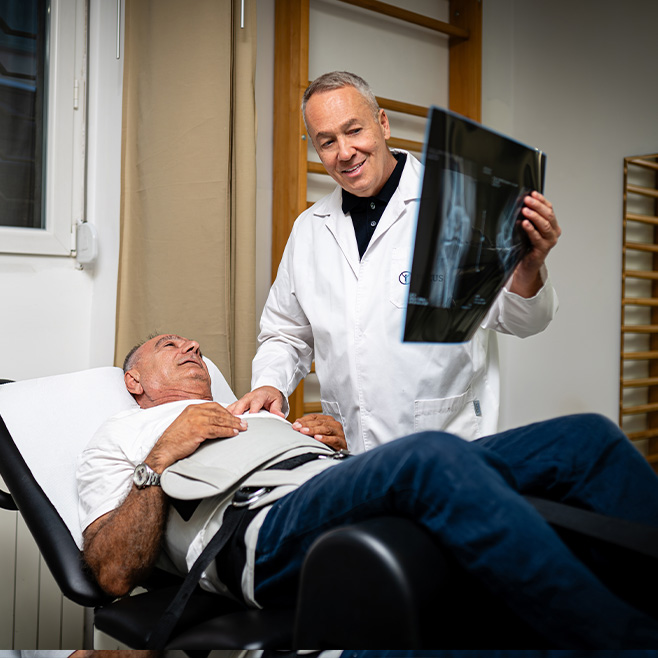
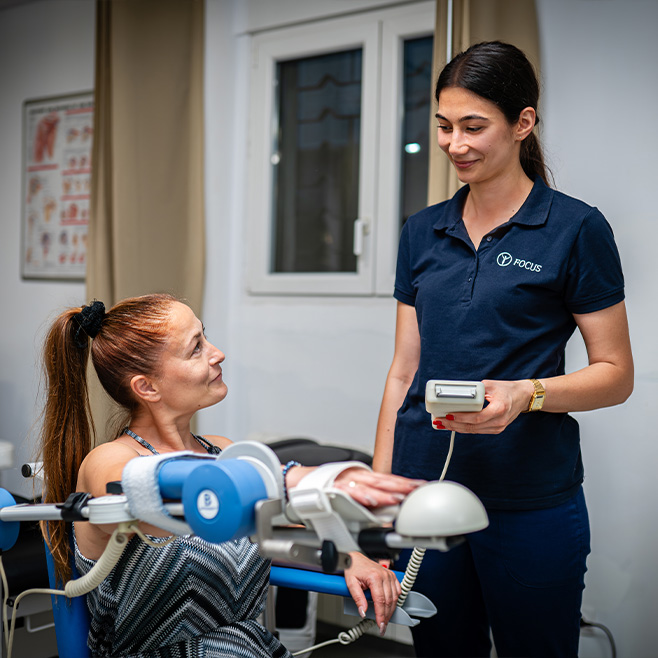
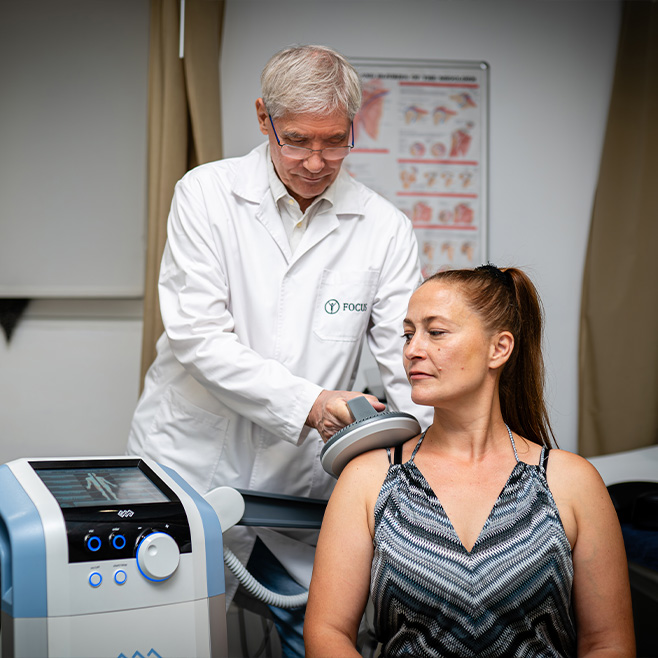
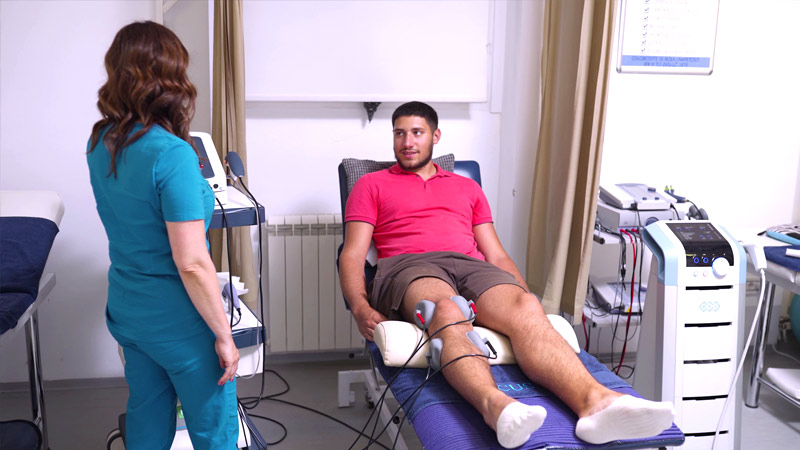

See the experiences of our satisfied patients who successfully recovered with the help of our physical therapy. Get acquainted with the testimonies of patients who faced various joint injuries, sports knee injuries, back injuries and similar problems, which we quickly, efficiently and successfully treated.
Aesthetic surgery
Focus Fizikal is a leading private clinic for physical therapy in Belgrade. For more than 10 years, we have been providing high-quality services that enable quick recovery and healing of our patients.




For all our current and future patients, we have made it possible to schedule an appointment online.



pon-pet:
08:00 - 20:00subota:
08:00 - 15:00


Mon-Fri:
08:00 - 20:00Saturday:
08:00 - 15:00