 +381 64 469 73 73
  Tendon pain
  Symptoms
  Causes
  Treatment
  FAQ
FAQ  Prices
  Gallery
  Testimonials
  Special offer
  Why choose us?
Cash
Through a current account

Focus Physical Therapy 100% guarantees fast and effective treatment.
SUPER DISCOUNT! 20% off all therapies in June! Call us 24/7!
Do not treat yourself based on information from the Internet!


Tendon pain represents inflammation or irritation of the dense connective bands that link muscles to bones and enable the transfer of force necessary for movement. Although tendons are designed to withstand high tension, they are less vascularized than muscles, which makes them more susceptible to overuse injuries and slower to heal. The pain usually occurs near the joint and can range from mild discomfort after physical activity to sharp pain that prevents movement. These conditions commonly affect areas such as the shoulder, elbow, hip, knee, and ankle, where tendons pass through narrow channels or over bony prominences. Timely physical therapy is crucial to prevent permanent weakening of the tendon fibers and their eventual rupture.
Tendons consist of parallel collagen fibers that provide extreme strength but require optimal hydration and elasticity to function without friction. In chronic conditions, known as tendinopathies, structural changes occur within the tendon, where healthy tissue is replaced by nonfunctional scar tissue. Understanding the mechanical load that a particular activity places on the tendon is key to making an accurate diagnosis and determining the appropriate therapy intensity. Proper tendon function ensures efficient movement and protects the joints from premature wear due to instability. By maintaining the health of these force transmitters, we lay the foundation for peak athletic performance and smooth daily task execution.
The symptoms of tendon pain most commonly manifest as sharp, painful sensations when initiating movement, which may partially ease after warming up but dramatically intensify after rest. Patients often notice localized swelling, redness, or a feeling of heat over the painful area, and sometimes a popping or cracking sensation (crepitus) can be felt when moving the joint. The clinical picture often includes morning stiffness of the affected area, as well as a significant decrease in muscle strength where the tendon is inflamed. These signals are a clear alarm that the tissue's tolerance to strain has been exceeded, and the degenerative process has begun. Recognizing specific symptoms in the early stages allows us to address the source of irritation before the inflammation becomes chronic.
Most Common Symptoms Include:
Timely recognition of these signals is crucial to prevent the formation of calcifications within the tendon, which further irritate the surrounding tissue. Proper interpretation of symptoms leads to a faster return to functionality and eliminates the risk of prolonged absence from sports or work activities.
The causes of tendon pain are most often found in repetitive movements that are performed thousands of times throughout the day, whether it’s in professional sports, working on a computer, or manual labor. Modern lifestyle often forces one-sided loads that cause microtraumas to accumulate in the tendons faster than the body can heal them. Although the pain is localized in the tendon itself, the cause may also lie in muscle imbalances or poor biomechanics that force the tendon to work at an unnatural angle. Identifying the factors leading to overuse allows us to correct the patient’s habits and ensure long-term tissue resilience. A detailed analysis of movement technique and the equipment the patient uses helps in creating a plan that will permanently eliminate mechanical stress.
Main Causes Include:
Understanding these causes allows us to approach treatment not only by providing immediate relief but also by strengthening the tendon structure for the long term. By focusing on removing the primary risk factors, we ensure that the tendons receive the necessary rest and conditions for quality regeneration.
At Focus Physical Therapy, our approach to treating tendon pain is strictly individualized and focused on the permanent elimination of the underlying causes – from acute inflammation to chronic degenerative changes – rather than merely masking the symptoms. We use the most advanced medical technology that stimulates the production of new collagen in poorly vascularized areas of the tendon, restoring its maximum strength, elasticity, and resistance to strain.
The process includes:
The comprehensive application of these advanced methods guarantees maximum therapy efficiency, even in the most persistent cases of pain. With education on gradually introducing loads, Focus Physical Therapy enables you to return to sports and professional activities with stronger tendons and permanently improved movement mechanics.
What causes tendon pain?
Tendon pain often results from excessive strain, repetitive movements, or injuries that cause micro-tears in the tendons. The most common causes include sports injuries, improper exercise technique, overuse, and aging, which can reduce tendon elasticity. Additionally, tendon inflammation (tendinitis) can occur due to overuse or rapid increases in physical activity intensity.
What are the symptoms of tendon pain?
Symptoms of tendon pain include pain during movement, especially when stretching or contracting muscles, swelling, and redness around the tendon area. There may be a reduction in mobility and a feeling of weakness in the affected body part. The pain can be dull, sharp, or throbbing, and it often worsens after physical activity.
How is tendon pain treated?
Treatment for tendon pain involves rest, reducing activities that cause pain, applying ice to reduce inflammation, and using nonsteroidal anti-inflammatory drugs (NSAIDs) to relieve pain and swelling. Physical therapy, including stretching and strengthening exercises for the muscles around the tendon, can be essential for recovery. In some cases, corticosteroid injections or surgery may be required if the pain persists.
When to see a doctor for tendon pain?
If tendon pain persists for a prolonged period and does not improve with rest, if swelling or redness occurs, or if the pain interferes with daily activities, you should see a doctor. Also, if the pain worsens or spreads to other areas of the body, it’s important to consult a specialist to prevent more serious injuries or complications.
Which physical therapy is most effective for tendon pain?
The most effective physical therapies for tendon pain include:
Cash
Through a current account
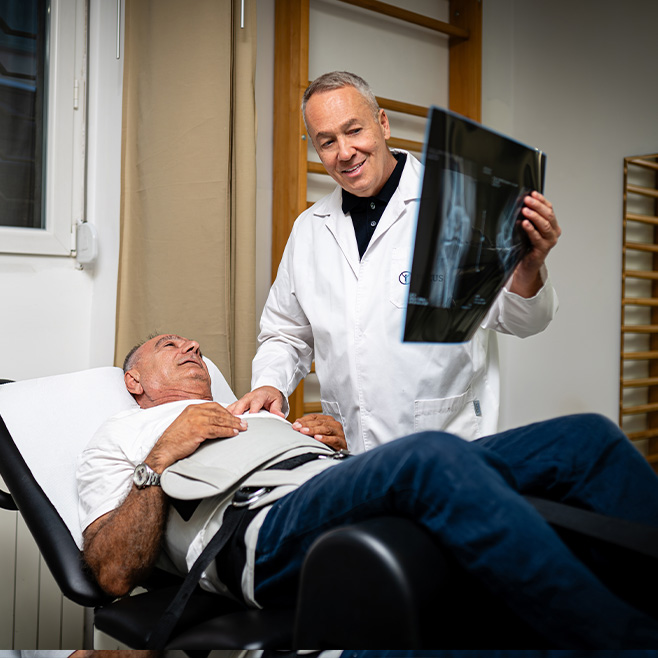
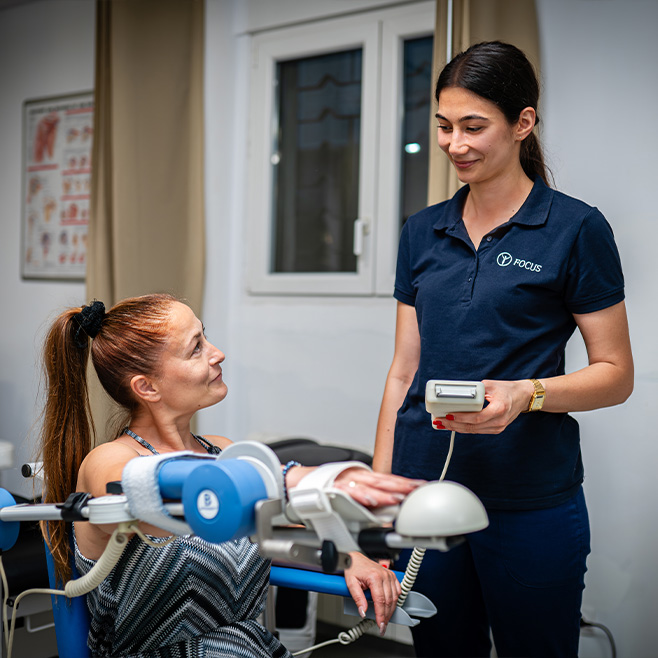
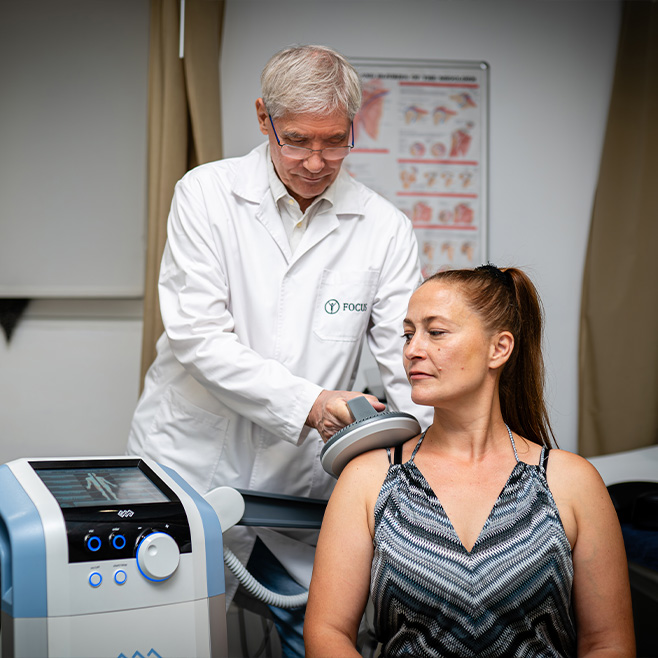
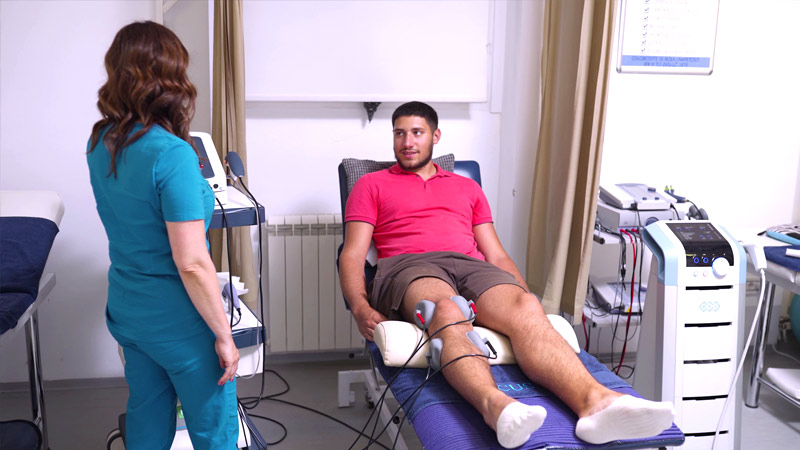

See the experiences of our satisfied patients who successfully recovered with the help of our physical therapy. Get acquainted with the testimonies of patients who faced various joint injuries, sports knee injuries, back injuries and similar problems, which we quickly, efficiently and successfully treated.
Aesthetic surgery
Focus Fizikal is a leading private clinic for physical therapy in Belgrade. For more than 10 years, we have been providing high-quality services that enable quick recovery and healing of our patients.




For all our current and future patients, we have made it possible to schedule an appointment online.



pon-pet:
08:00 - 20:00subota:
08:00 - 15:00


Mon-Fri:
08:00 - 20:00Saturday:
08:00 - 15:00