 +381 64 469 73 73
  Toe pain
  Symptoms
  Causes
  Treatment
  FAQ
FAQ  Prices
  Gallery
  Testimonials
  Special offer
  Why choose us?
Cash
Through a current account
Focus Physical Therapy 100% guarantees fast and effective treatment.
SUPER DISCOUNT! 20% off all therapies in June! Call us 24/7!
Do not treat yourself based on information from the Internet!


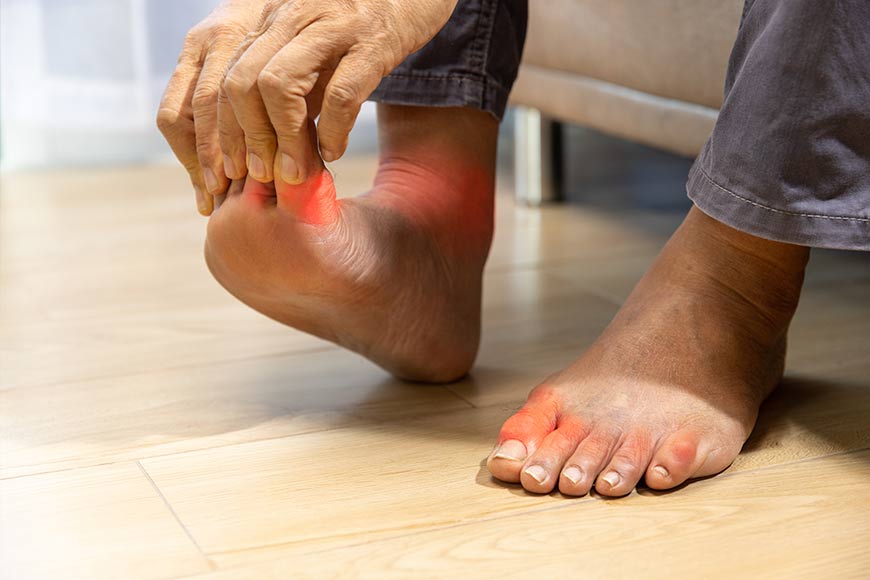
Symptoms of toe pain vary from a dull, persistent ache to sharp, stabbing sensations that occur during walking or when wearing certain shoes. Patients often report that the symptoms are most pronounced after long periods of standing or upon taking the first steps in the morning. The clinical picture is specific because the pain is often accompanied by local swelling, redness, or a burning sensation, indicating an inflammatory process in the joints or the presence of nerve compression.
The most common symptoms accompanying toe pain include:
Sharp or burning pain in the pads of the toes or between them, which may intensify during walking or when pressing on the area.
The appearance of calluses or thickened skin on the tops or sides of the joints signals chronic pressure and friction.
Reduced mobility of the toes, where the patient has difficulty bending or extending the toes, is often accompanied by a feeling of stiffness.
Tingling or loss of sensation in the tips of the toes is a clear sign of nerve irritation (such as Morton's neuroma).
Deformity and deviation of the toes from their natural axis, often resulting in "claw toes" or the development of a bunion (hallux valgus).
All these signs are clear indicators that the front of the foot is under improper mechanical load that requires professional evaluation and correction. Recognizing these symptoms early allows for the application of non-invasive therapies and prevents the need for surgical intervention.
Symptoms of toe pain vary from a dull, persistent ache to sharp, stabbing sensations that occur during walking or when wearing certain shoes. Patients often report that the symptoms are most pronounced after long periods of standing or upon taking the first steps in the morning. The clinical picture is specific because the pain is often accompanied by local swelling, redness, or a burning sensation, indicating an inflammatory process in the joints or the presence of nerve compression.
The most common symptoms accompanying toe pain include:
Sharp or burning pain in the pads of the toes or between them, which may intensify during walking or when pressing on the area.
The appearance of calluses or thickened skin on the tops or sides of the joints signals chronic pressure and friction.
Reduced mobility of the toes, where the patient has difficulty bending or extending the toes, often accompanied by a feeling of stiffness.
Tingling or loss of sensation in the tips of the toes, which is a clear sign of nerve irritation (such as Morton's neuroma).
Deformity and deviation of the toes from their natural axis, often resulting in "claw toes" or the development of a bunion (hallux valgus).
All these signs are clear indicators that the front of the foot is under improper mechanical load that requires professional evaluation and correction. Recognizing these symptoms early allows for the application of non-invasive therapies and prevents the need for surgical intervention.
The causes of toe pain are most often associated with mechanical factors and poor foot statics, but they can also be caused by metabolic disorders. Factors such as wearing high heels, tight footwear, sudden trauma (impacts), or engaging in sports involving a lot of jumping directly contribute to tissue damage. Although the patient feels pain in the toe itself, the cause is often hidden in fallen foot arches that change the natural position of the bones.
The primary causes of toe pain are:
Hallux valgus (bunions), where the deviation of the big toe leads to chronic joint inflammation and pain on the inner side of the foot.
Morton's neuroma is a thickening of the nerve between the toes that causes sharp pain and burning in the front part of the foot.
Hammer toes are a deformity where the toes remain permanently bent, causing pain upon contact with the upper part of the shoe.
Arthritis or gout are inflammatory conditions that most commonly affect the base joint of the big toe, causing extremely severe pain and swelling.
Stress fractures of the small toe bones occur due to repeated micro-trauma in athletes and recreational exercisers.
Precisely identifying the cause of the pain allows for the creation of an individual treatment plan that will permanently eliminate inflammation and correct the way the foot bears weight. Each of these causes requires a specific rehabilitation approach to achieve long-term relief for the toes.
What is Morton's neuroma and why does it cause toe pain?
It is a thickening of the tissue around the nerves leading to the toes (usually between the third and fourth toes). Patients describe it as burning or a sensation of "walking on a marble."
Why does pain occur at the base of the big toe (Hallux Valgus)?
Pain here is usually related to bunions. Due to the deformity, the joint becomes inflamed (bursitis), red, and tender, making it difficult to wear shoes.
Which physical procedures fastest reduce toe inflammation?
We use a high-power HILT laser, perfect for small toe joints as it precisely reduces inflammation. TECAR therapy is also used to improve microcirculation, accelerating recovery from injuries or chronic inflammation.
Can big toe pain be a sign of gout?
Yes. Sudden, extremely severe pain, swelling, and redness at the base of the big toe (often occurring at night) are typical signs of gout. Physical therapy helps reduce swelling once the underlying metabolic issue is addressed.
How can orthotics help with toe pain?
Most toe problems arise from fallen arches. Custom orthotic insoles offload the forefoot, transferring pressure to the heel and arches, which leads to permanent pain relief.
Cash
Through a current account
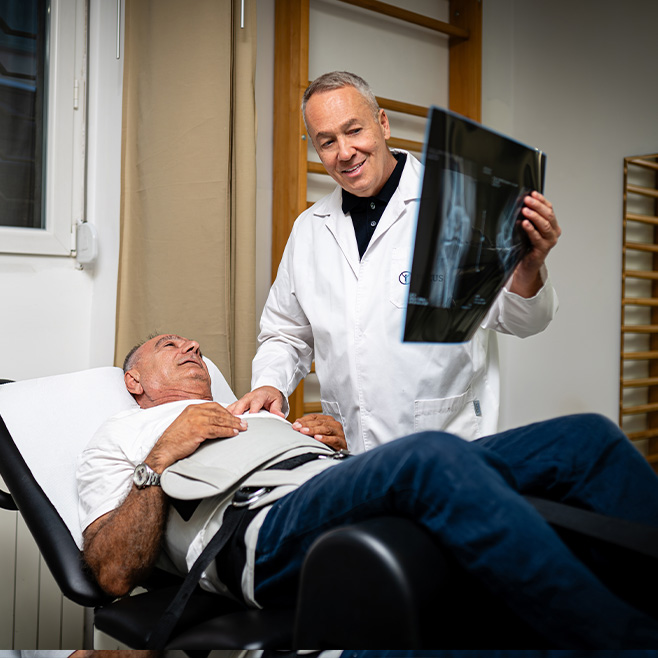
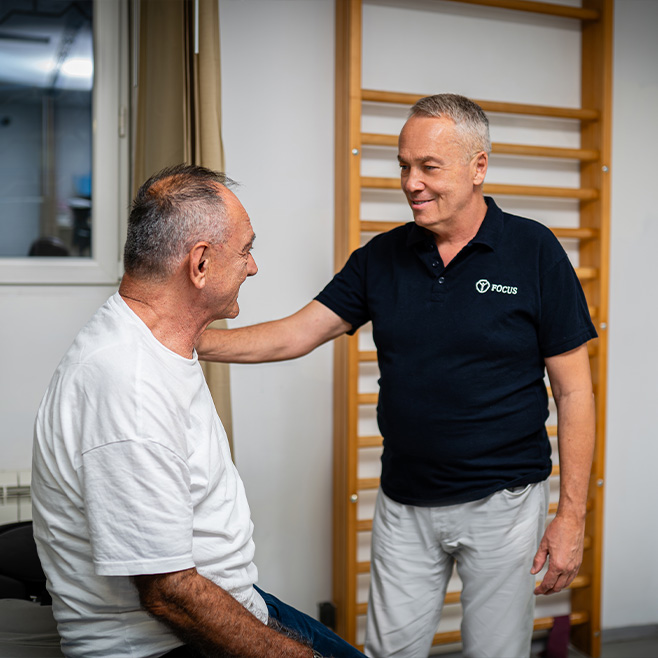
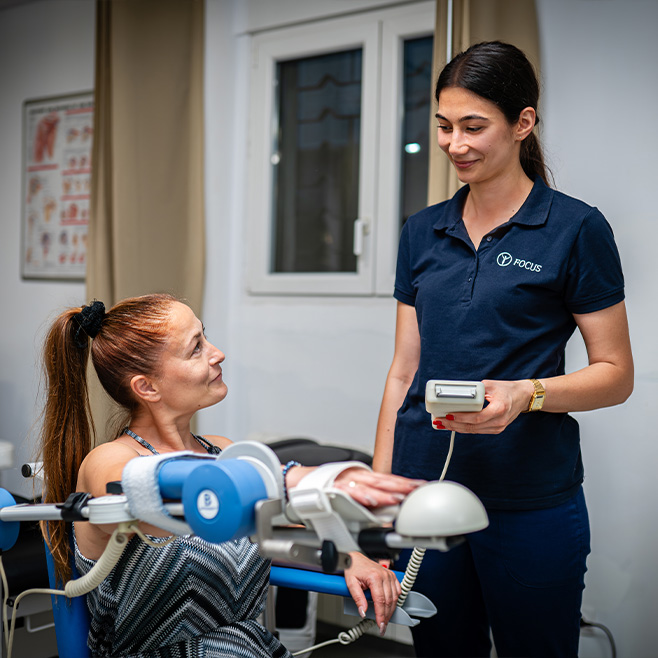
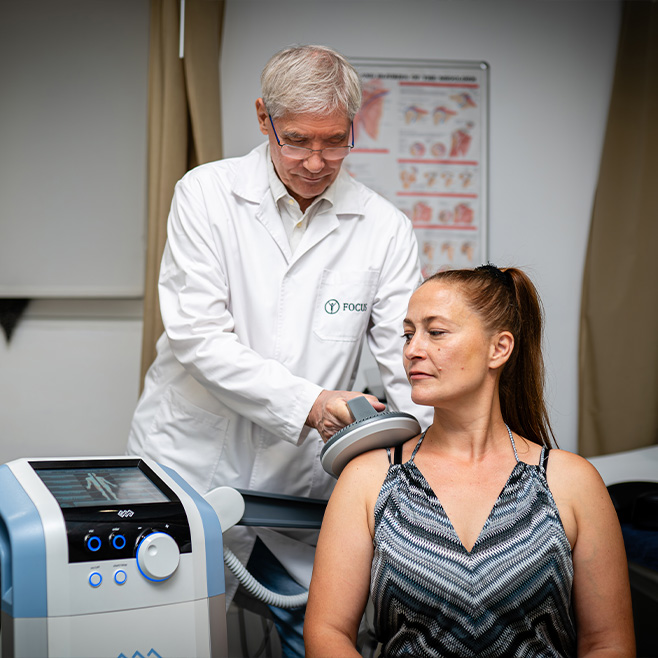
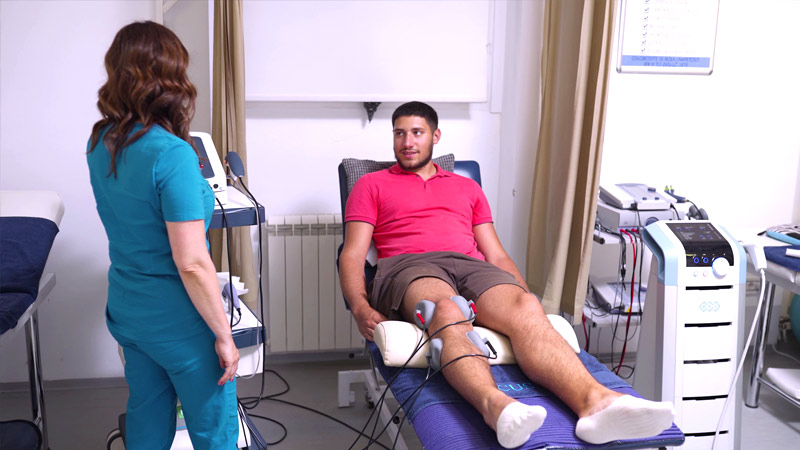

See the experiences of our satisfied patients who successfully recovered with the help of our physical therapy. Get acquainted with the testimonies of patients who faced various joint injuries, sports knee injuries, back injuries and similar problems, which we quickly, efficiently and successfully treated.
Aesthetic surgery
Focus Fizikal is a leading private clinic for physical therapy in Belgrade. For more than 10 years, we have been providing high-quality services that enable quick recovery and healing of our patients.




For all our current and future patients, we have made it possible to schedule an appointment online.



pon-pet:
08:00 - 20:00subota:
08:00 - 15:00


Mon-Fri:
08:00 - 20:00Saturday:
08:00 - 15:00