 +381 64 469 73 73
  Upper arm muscle pain
  Symptoms
  Causes
  Treatment
  FAQ
FAQ  Prices
  Gallery
  Testimonials
  Special offer
  Why choose us?
Cash
Through a current account

Focus Physical Therapy 100% guarantees fast and effective treatment.
SUPER DISCOUNT! 20% off all therapies in June! Call us 24/7!
Do not treat yourself based on information from the Internet!

Pain in the Upper Arm Muscles typically involves discomfort in the front of the arm (biceps) or the back of the arm (triceps) and often results from overloading the tendons and muscle fibers. The upper arm plays a key role in the function of the entire upper limb, as it facilitates movements at the shoulder and elbow, making it constantly exposed to dynamic exertion. The pain can manifest as a dull tension or a sharp interruption of the arm's function, depending on whether the issue is inflammation, a strain, or the accumulation of lactic acid. This area experiences significant stress in individuals who engage in manual labor or sports, requiring careful monitoring of muscle tone. Timely physical treatment prevents the spread of inflammation to the elbow and shoulder, preserving the full functionality of the arm.
The anatomy of the Upper Arm involves strong muscles that control the flexion and extension of the arm, which are firmly connected to the shoulder girdle. Important nerve bundles also pass through this region, and muscle spasms can cause secondary pressure on the nerves, leading to additional sensations. Understanding the balance between flexors and extensors is crucial, as weakness in one muscle group leads to overloading the other, creating painful trigger points. The stability of the upper arm is essential for precise hand movements and forearm strength in everyday life. Proper care of the muscle fibers enables long-term function without fatigue and prevents chronic tendon damage.
The symptoms of upper arm muscle pain most often occur when lifting weights, bending the elbow, or rotating the arm inward. Patients often describe a sensation of tightness, "pulling," or a localized painful spot that is particularly sensitive to touch. The clinical picture may also include localized swelling or redness, especially if there has been an acute strain of the muscle fibers during physical activity. These signs clearly indicate that the muscle tissue has sustained trauma or is in a state of chronic exhaustion. Quick identification of the nature of the symptoms prevents further tissue degradation and accelerates the recovery of full arm strength.
The most common symptoms include:
Timely recognition of these signals is crucial to prevent the onset of chronic tendon attachment inflammation. Proper interpretation of the symptoms leads to faster recovery of functionality and eliminates the feeling of weakness in the arm.
The causes of upper arm muscle pain are most commonly linked to repetitive movements, sudden jerks, or prolonged holding of the arm in a non-physiological position. Athletes, manual workers, and individuals who spend long hours working at computers often develop muscle imbalances that lead to chronic tissue inflammation. Although the pain manifests in the upper arm, the underlying cause is often found in the cervical spine or shoulder, where nerve irritation causes reflex muscle tension in the arm. Identifying the factors leading to muscle exhaustion allows us to eliminate the root cause of the problem and prevent its recurrence. A detailed analysis of the patient's activities helps us create an effective plan to prevent future injuries.
The main causes include:
Understanding these causes allows us to focus treatment not only on pain relief but on permanent resolution of the issue. By targeting the primary stress factors, we ensure that the muscles have the necessary space for full regeneration.
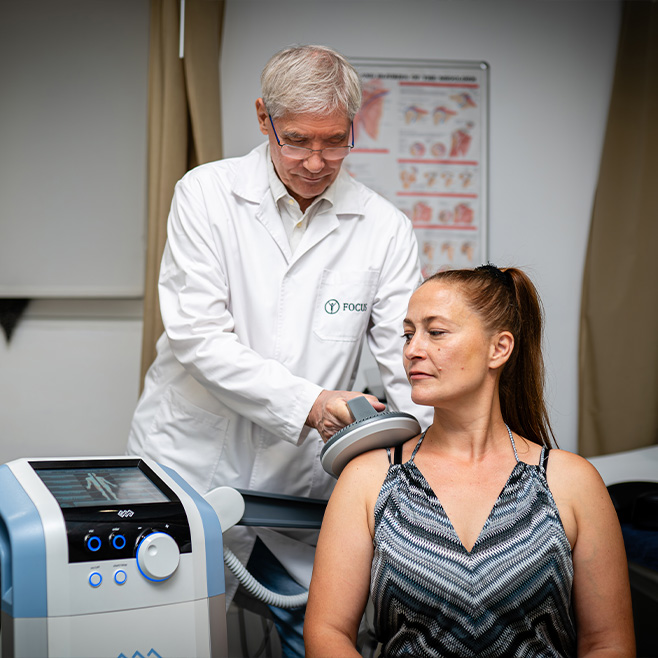
The treatment of upper arm muscle pain at Fokus Physical Therapy Center focuses on deep regeneration of muscle fibers, drainage of inflammatory byproducts, and elimination of muscle spasms, aiming to restore full functionality of the arm. The therapeutic protocol combines the latest physical therapy methods with manual and specialized techniques that immediately restore elasticity and strength to the arm while simultaneously reducing pain and tension.
Successful rehabilitation means an arm that is pain-free in all directions of movement, ready for daily activities, sports, or work tasks, while also reducing the risk of reinjury or chronic pain.
Our modern rehabilitation approach includes the following phases:
Comprehensive application of these advanced methods guarantees maximum therapeutic effectiveness, accelerates recovery, and enables a rapid return to daily, sports, and work activities. Our personalized approach ensures that each patient returns to an active life with a strengthened arm, reduced risk of injury, and permanently improved movement mechanics.
What causes pain in the bicep muscles?
Pain in the bicep muscles is usually the result of overstraining the muscles, sudden movements, or repetitive activities involving lifting, carrying heavy objects, or improper use of the arms. Injuries like strains, sprains, or even overexertion during exercise can also cause pain in this area.
What are the symptoms of bicep muscle pain?
Symptoms of bicep muscle pain may include pain in the front of the arm (biceps), weakness in the muscle, difficulty lifting or bending the arm, swelling, or tenderness to touch. You may also experience stiffness or muscle cramping.
How is bicep muscle pain diagnosed?
The diagnosis of bicep muscle pain is usually made through a physical examination and medical history. The doctor may check muscle strength, range of motion, and possible injuries. If a more serious injury (e.g., tendon rupture) is suspected, imaging such as ultrasound or MRI may be required.
How is bicep muscle pain treated?
Treatment for bicep muscle pain depends on the severity of the injury. Initially, applying ice (if swelling is present) and resting the muscle can help reduce pain. Pain medications, such as ibuprofen or acetaminophen, may help. Physical therapy and specific strengthening and stretching exercises can speed up recovery.
How can I prevent bicep muscle pain?
Regular stretching and strengthening exercises for the bicep and arm muscles are recommended, as well as avoiding overexertion or repetitive movements. Proper technique during exercise and breaks between sets can help prevent injuries. Additionally, using appropriate equipment (such as wrist straps or proper lifting technique) during sports activities or heavy lifting can help prevent pain.
Cash
Through a current account
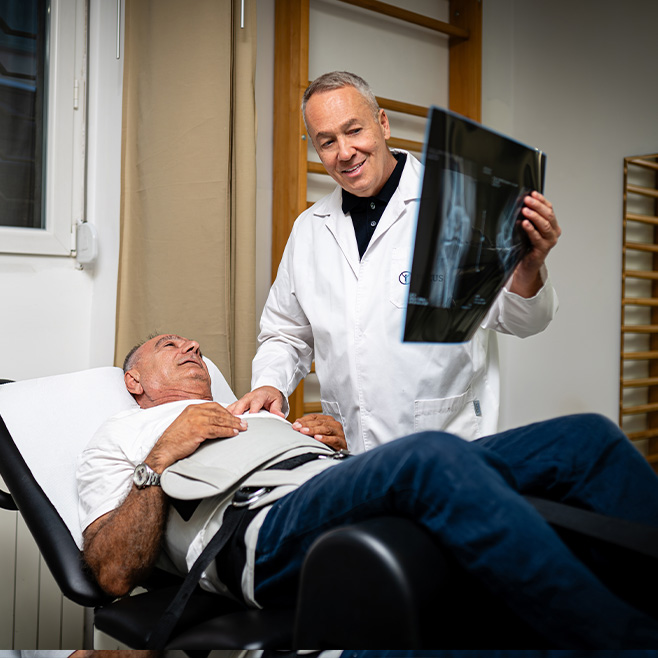
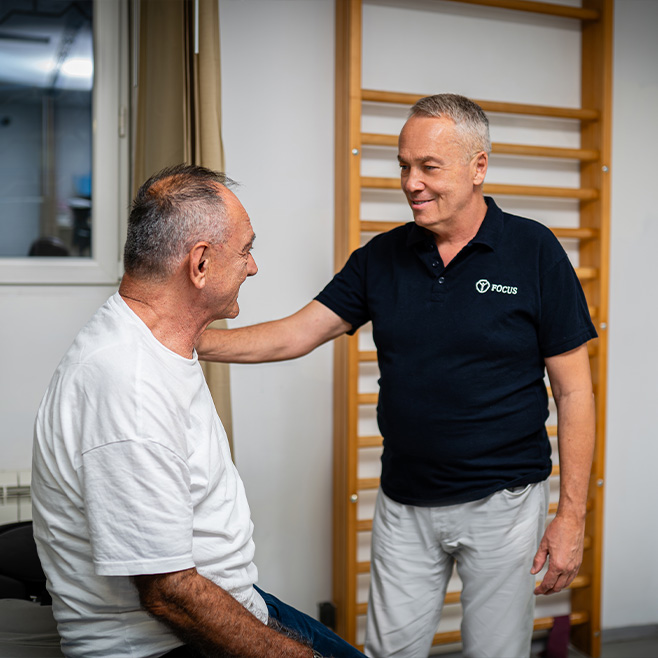
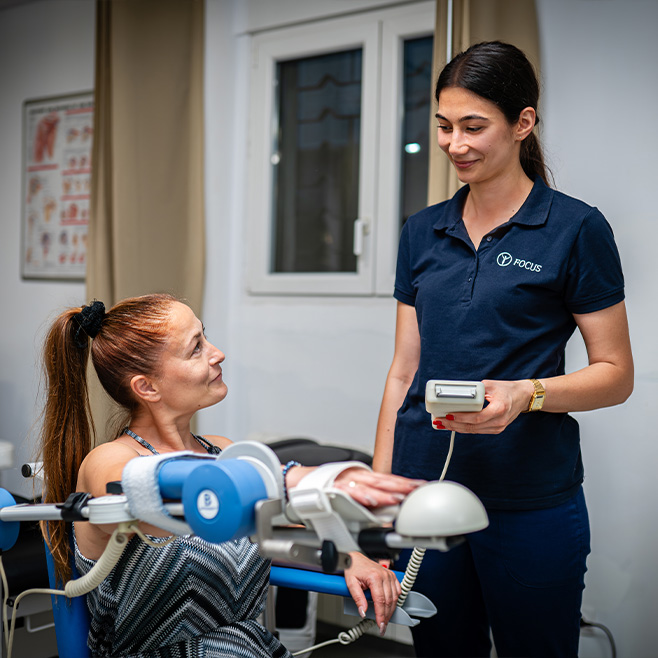
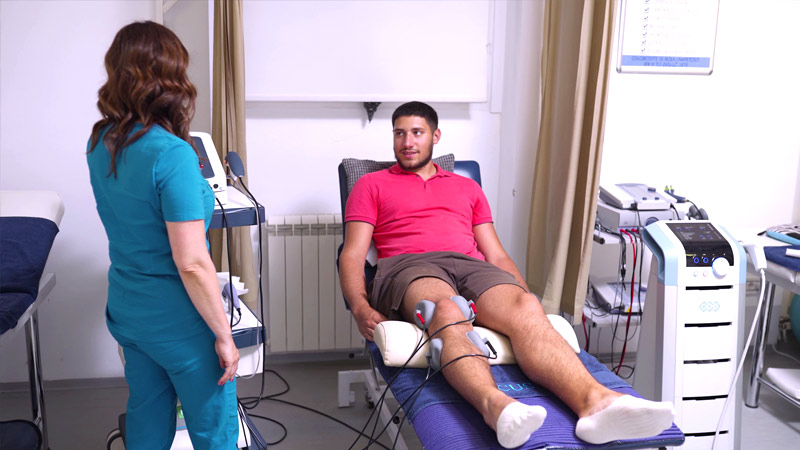

See the experiences of our satisfied patients who successfully recovered with the help of our physical therapy. Get acquainted with the testimonies of patients who faced various joint injuries, sports knee injuries, back injuries and similar problems, which we quickly, efficiently and successfully treated.
Aesthetic surgery
Focus Fizikal is a leading private clinic for physical therapy in Belgrade. For more than 10 years, we have been providing high-quality services that enable quick recovery and healing of our patients.




For all our current and future patients, we have made it possible to schedule an appointment online.



pon-pet:
08:00 - 20:00subota:
08:00 - 15:00


Mon-Fri:
08:00 - 20:00Saturday:
08:00 - 15:00