 +381 64 469 73 73
  Upper spine pain
  Symptoms
  Causes
  Treatment
  FAQ
FAQ  Prices
  Gallery
  Testimonials
  Special offer
  Why choose us?
Cash
Through a current account

Focus Physical Therapy 100% guarantees fast and effective treatment.
SUPER DISCOUNT! 20% off all therapies in June! Call us 24/7!
Do not treat yourself based on information from the Internet!


Pain in the upper back encompasses the thoracic region, which extends from the base of the neck to the level of the twelfth rib. Unlike the cervical and lumbar regions, the upper spine is anatomically designed to be more stable and less mobile, as the vertebrae are directly connected to the ribs, which protect the vital organs of the chest. This stability is crucial for maintaining posture, but also makes this area prone to stiffness due to prolonged static loads, which has become common in the digital age.
The anatomy of the upper spine includes 12 vertebrae, facet joints, and numerous layers of muscles that control scapular movements and stabilize the trunk. Pain arises when the biomechanics are disrupted, most often through the phenomenon of upper crossed syndrome, where the muscles of the front of the body are shortened, and the back muscles are excessively stretched. In patients who spend hours in a hunched position, microtraumas occur at the joints between the vertebrae and ribs, leading to local inflammatory processes.
Understanding the connection between head position and tension in the thoracic spine is critical for determining the cause of discomfort. Timely physiotherapeutic diagnosis helps prevent the development of fixed deformities, such as kyphosis, and restrictions in deep breathing.
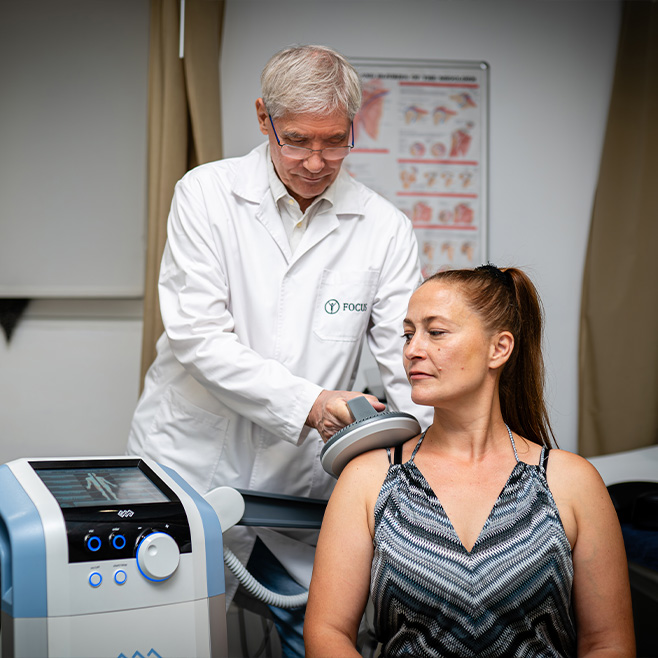
Our approach to treating upper back pain at the Focus Physical Therapy center is strictly individualized and aimed at the rapid elimination of the root cause, ranging from acute muscle spasms and rib blockages to kyphosis and degenerative spinal changes. We utilize state-of-the-art medical technology that performs deep decontraction, releases joint pressure, and "opens" the chest, providing you with a sense of lightness, a proper upright posture, and freedom of movement without pain.
The Rehabilitation Process Includes:
Physiatric Examination and Kinesiological Assessment: A detailed functional assessment of posture, thoracic spine mobility testing, and palpation of muscle trigger points between the shoulder blades. We identify the exact blocked segments to create the fastest plan for unlocking the spine and ribs.
HILT Laser (High-Intensity Laser Therapy): Powerful biostimulation that penetrates deep into the facet joints and nerve roots. The HILT laser instantly suppresses inflammation, reduces pain sensitivity, and accelerates tissue regeneration in areas where the spine is most heavily loaded.
TECAR Therapy: Radiofrequency therapy that uses internal heat to achieve immediate decontraction of cramped upper back muscles. TECAR therapy drastically improves local circulation and fascial elasticity, eliminating the tension that causes a feeling of "heaviness" and stiffness.
Shockwave Therapy: Application of high-energy acoustic waves that break down calcifications and chronic muscle knots. This method is crucial for resolving long-term painful conditions and stimulating the natural tissue healing process.
Manual Therapy and Spinal Mobilization: Specialized manual techniques used by our experts to release blocked joint segments and ribs. Thoracic mobilization instantly establishes proper biomechanics, increases breathing capacity, and reduces pressure on the vertebrae.
Kinesitherapy and Scapular Stabilizer Strengthening: An individually guided exercise program with an emphasis on strengthening the muscles between the shoulder blades and stretching shortened chest musculature. These exercises permanently correct posture and make the upper back resilient to prolonged sitting in front of a screen.
Education on Ergonomics and Head Positioning: Counseling on the ergonomic arrangement of the workspace, proper monitor placement, and correcting head posture (prevention of "text neck" syndrome). Our goal is to teach you techniques that will prevent symptom recurrence and maintain the achieved upright posture.
The comprehensive application of these advanced methods at the Focus Physical Therapy center guarantees maximum treatment efficiency even in chronic deformities and spasms. With our personalized approach, you will regain the full functionality of your upper back and be able to return to your responsibilities with a sense of strength, lightness, and pain-free movement.
What causes pain in the upper back?
Pain in the upper back can be caused by various factors, such as poor posture, muscle strain, injuries, herniated discs, arthritis, or stress. In some cases, the pain may also be related to tension in the neck and shoulder muscles.
How can physical therapy help in treating upper back pain?
Physical therapy uses various methods to alleviate upper back pain, including stretching exercises, strengthening exercises, spinal mobilization, heat or cold therapy, electrotherapy, and massages. The goal is to improve mobility, reduce muscle tension, and enhance posture.
Are exercises helpful for upper back pain?
Yes, exercises are crucial for recovering from upper back pain. Regular exercises to strengthen the back, neck, and shoulder muscles can reduce tension, improve spine stability, and prevent further pain. A physical therapist can recommend specific exercises tailored to your condition.
How can upper back pain be prevented?
Preventing upper back pain includes maintaining proper posture, regularly stretching and strengthening the back and neck muscles, avoiding prolonged sitting in incorrect positions, and using ergonomic aids, such as ergonomic chairs and monitors.
How long does it take to recover from upper back pain with physical therapy?
Recovery can take anywhere from a few weeks to a few months, depending on the severity of the condition. With regular treatment, most people experience improvements in mobility and a reduction in pain within a relatively short period.
Cash
Through a current account
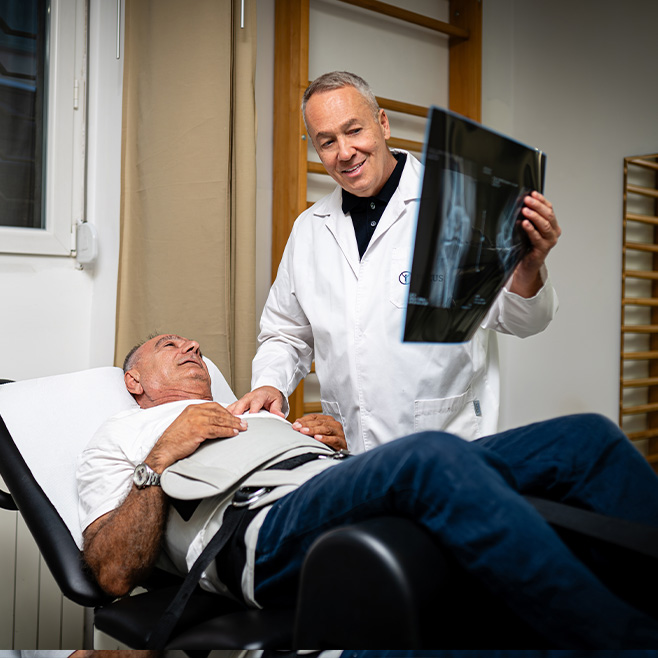
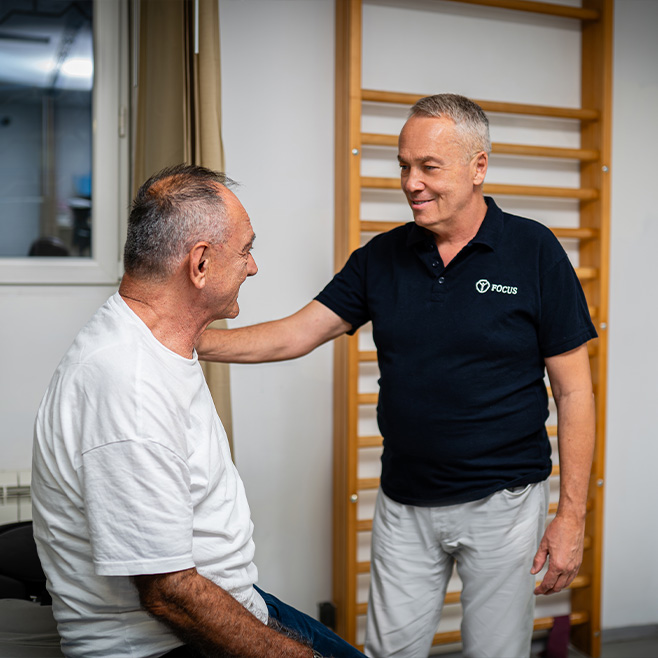
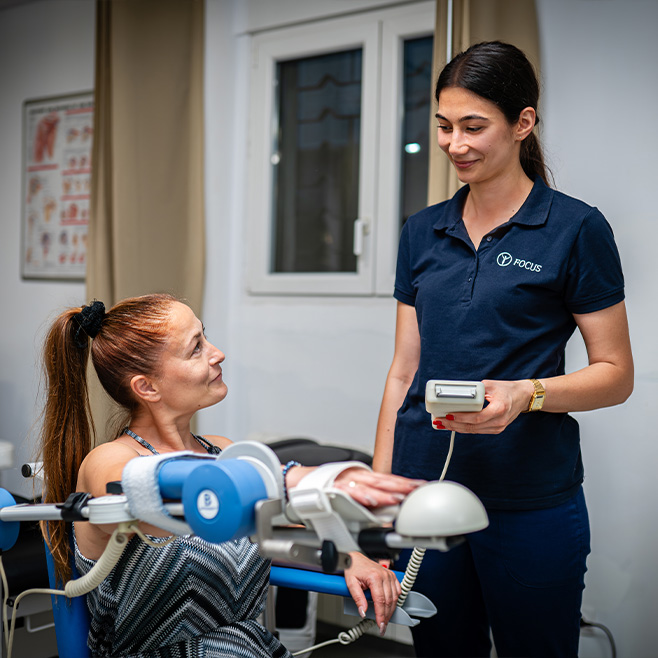
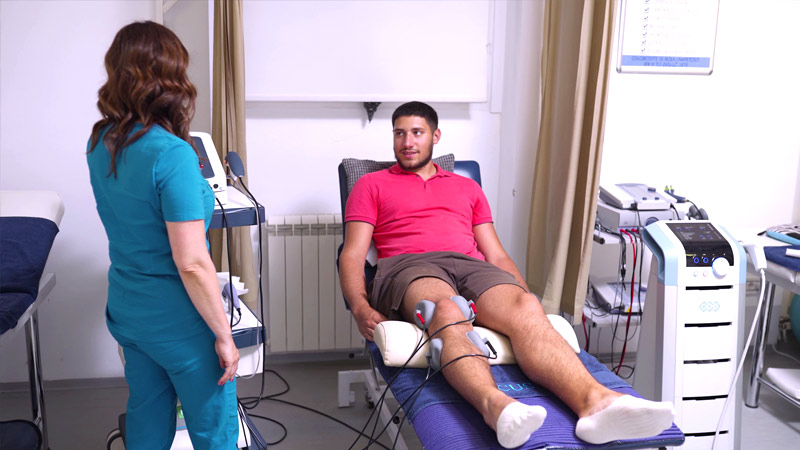

See the experiences of our satisfied patients who successfully recovered with the help of our physical therapy. Get acquainted with the testimonies of patients who faced various joint injuries, sports knee injuries, back injuries and similar problems, which we quickly, efficiently and successfully treated.
Aesthetic surgery
Focus Fizikal is a leading private clinic for physical therapy in Belgrade. For more than 10 years, we have been providing high-quality services that enable quick recovery and healing of our patients.




For all our current and future patients, we have made it possible to schedule an appointment online.



pon-pet:
08:00 - 20:00subota:
08:00 - 15:00


Mon-Fri:
08:00 - 20:00Saturday:
08:00 - 15:00