 +381 64 469 73 73
  Involuntary urination after childbirth
  Symptoms
  Causes
  Treatment
  FAQ
FAQ  Prices
  Gallery
  Testimonials
  Why choose us?
Cash
Through a current account

Focus Physical Therapy 100% guarantees fast and effective treatment.
SUPER DISCOUNT! 20% off all therapies in June! Call us 24/7!
Do not treat yourself based on information from the Internet!


Involuntary urination, or urinary incontinence, refers to a situation in which a woman cannot fully control her bladder. It most commonly manifests as urine leakage during physical exertion, such as coughing, laughing, sneezing, running, or lifting heavy objects. Sometimes it involves a sudden, urgent need to urinate, and sometimes it is a combination of both types.
Postpartum urinary incontinence is not a sign of weakness—it is a consequence of physiological changes during pregnancy and childbirth. With proper assessment and treatment, most women can significantly improve or fully regain bladder control.
Recognizing the symptoms of involuntary urination is crucial for timely diagnosis and treatment. Various signs may indicate weakness of the pelvic floor muscles or a disruption in bladder control, and early detection allows for appropriate intervention and preservation of quality of life. If you experience any of the following symptoms, it is time to seek professional help:
Even if the problem is mild, timely intervention can prevent it from worsening and help maintain everyday quality of life.
The good news is that most women can significantly improve their condition or fully regain bladder control. Treatment is usually non-invasive and effective, and may include:
Pelvic floor exercises (Kegel exercises): Properly performed exercises strengthen the muscles that support the bladder and urethra. It is crucial to perform these exercises regularly and under professional guidance, as incorrect technique may be ineffective.
Bladder training and habit changes: Scheduled urination, controlling fluid intake, and reducing caffeine or carbonated beverages can significantly reduce symptoms.
Pelvic floor physical therapy: Specialized physiotherapists use techniques such as:
Biofeedback to monitor muscle contractions
Targeted exercises to strengthen and coordinate muscles
Manual techniques and pelvic floor massage
Regular therapy increases muscle strength and, in turn, bladder control.
Modern technology – EMSELLA chair: EMSELLA uses electromagnetic stimulation to strengthen pelvic floor muscles effortlessly and completely non-invasively. The treatment is painless, and results often appear after just a few sessions.
Pharmacotherapy and surgery: In severe cases, when conservative approaches are insufficient, medications or surgical interventions may be considered. However, most women successfully resolve the problem without surgery.
Prevention of postpartum urinary incontinence is based on actively strengthening and maintaining pelvic floor function. Regularly performing pelvic floor exercises, both before and after childbirth, significantly contributes to their strength and elasticity. Maintaining an optimal body weight and avoiding prolonged heavy lifting immediately after delivery further reduces the risk of developing problems. Proper physical therapy guidance and professional advice help women strengthen the pelvic floor correctly and prevent long-term complications, thereby preserving everyday quality of life.
Is urinary leakage normal after childbirth?
Yes, mild urinary leakage occurs in many women after vaginal delivery. However, if the leakage lasts longer than a few months or significantly affects daily life, it is important to seek professional help.
What are the most common causes of involuntary urination after childbirth?
The most common causes include: weakened pelvic floor muscles, injuries during childbirth, hormonal changes, multiple pregnancies, and older age at the time of childbirth.
When should I see a doctor or physical therapist?
If you notice urine leakage more than once a week, sudden and urgent needs to urinate, pain or a feeling of weakness in the pelvic floor, or if the problem interferes with daily activities.
Can Kegel exercises help?
Yes, properly performed Kegel exercises can significantly strengthen the pelvic floor muscles and reduce or completely eliminate urinary leakage. It is best to learn the exercises under the supervision of a physical therapist to ensure their effectiveness.
What is EMSELLA and how does it help?
EMSELLA is a non-invasive therapy that uses electromagnetic pulses to strengthen the pelvic floor muscles. The therapy is painless and often produces results after just a few treatments.
Can medications or surgical procedures help?
In more severe cases, medications or surgical procedures may be an option, but most women successfully address the problem through exercises, physical therapy, and modern non-invasive methods.
Does the problem affect sexual life?
It can impact self-confidence and intimacy, but proper therapy strengthens the pelvic floor muscles and improves control, which often has a positive effect on sexual life as well.
Cash
Through a current account
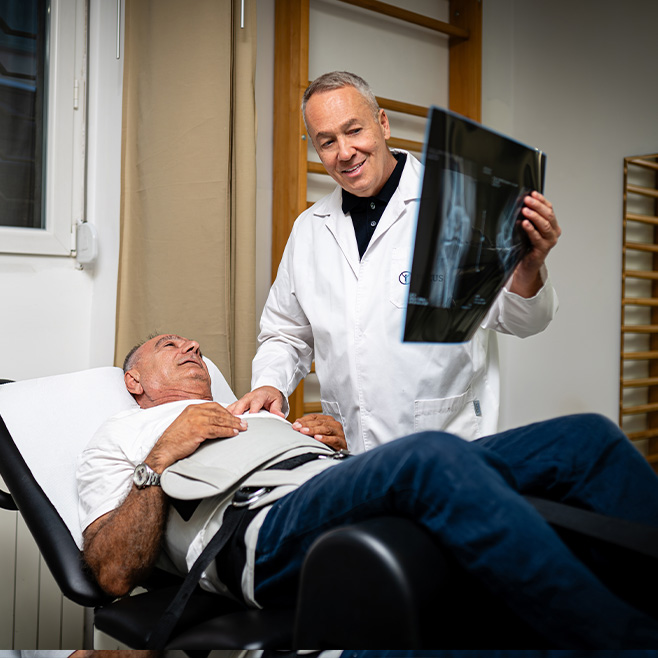
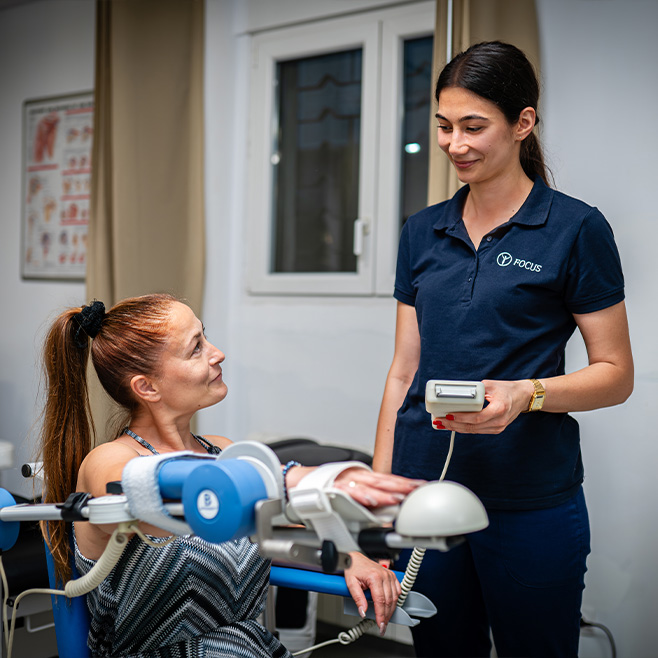
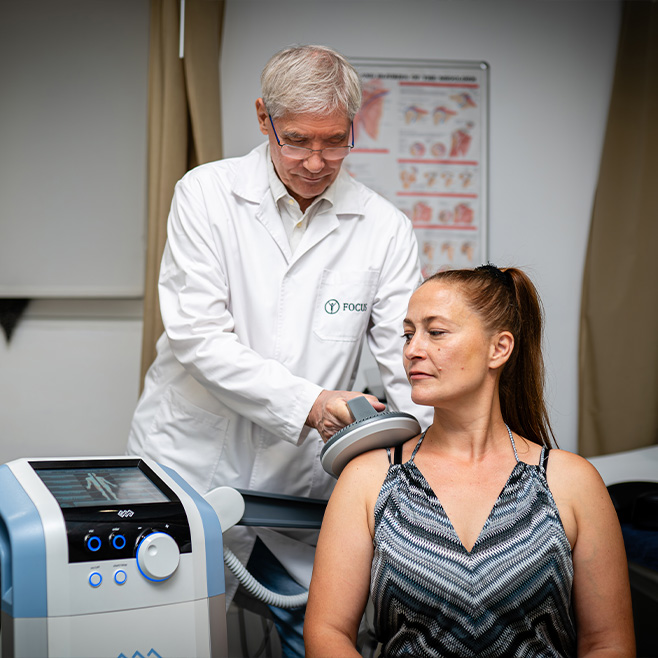
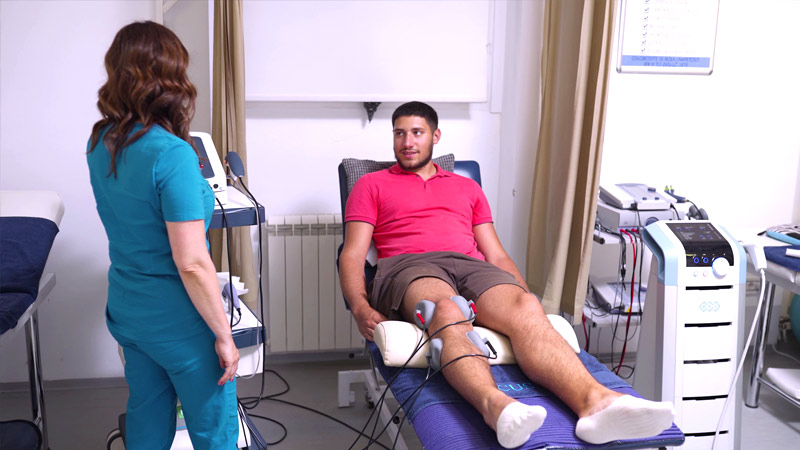

See the experiences of our satisfied patients who successfully recovered with the help of our physical therapy. Get acquainted with the testimonies of patients who faced various joint injuries, sports knee injuries, back injuries and similar problems, which we quickly, efficiently and successfully treated.
Aesthetic surgery
Focus Fizikal is a leading private clinic for physical therapy in Belgrade. For more than 10 years, we have been providing high-quality services that enable quick recovery and healing of our patients.




For all our current and future patients, we have made it possible to schedule an appointment online.



pon-pet:
08:00 - 20:00subota:
08:00 - 15:00


Mon-Fri:
08:00 - 20:00Saturday:
08:00 - 15:00