 +381 64 469 73 73
  Knee pain and pain behind the knee
  Symptoms
  Causes
  Treatment
  FAQ
FAQ  Prices
  Gallery
  Testimonials
  Special offer
  Why choose us?
Cash
Through a current account
Focus Physical Therapy 100% guarantees fast and effective treatment.
SUPER DISCOUNT! 20% off all therapies in June! Call us 24/7!
Do not treat yourself based on information from the Internet!


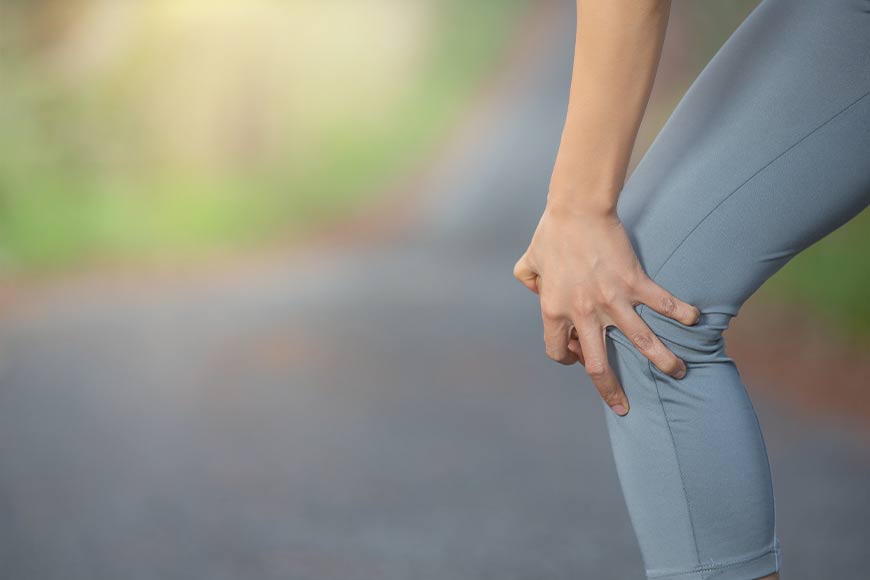
Pain that occurs simultaneously in the knee joint and in its posterior area (the popliteal region) represents a specific diagnostic entity because it often indicates fluid accumulation within the joint. The back of the knee is an anatomical passage for important blood vessels and nerves, but also a site where bursae are located—small fluid-filled sacs that reduce friction. When the inside of the knee is irritated due to cartilage or meniscus damage, the joint produces excess synovial fluid, which is pushed backward under pressure, creating swelling and pain.
The anatomy of the back of the knee includes the hamstring tendons, the calf muscle, and the popliteal muscle, which stabilizes the knee during rotation. Pain occurs when increased intra-articular pressure leads to the formation of a Baker’s cyst, or when the tendons passing through this region are overloaded. In individuals who engage in sports involving a lot of running or those who stand for long periods, the back of the knee is under constant tension. Understanding the connection between intra-articular damage and the appearance of posterior swelling is crucial for determining the cause of symptoms. Timely physiotherapeutic diagnosis prevents venous compression and permanent limitation of knee function.
Symptoms of pain in the knee and behind the knee vary from a feeling of tightness and fullness in the popliteal fossa to sharp pain when attempting to fully straighten the leg. Patients often report that the knee feels “tight” and that they experience pressure spreading down into the calf, especially after prolonged walking. The clinical picture is specific because swelling behind the knee can be clearly felt in a standing position, while in a sitting position, it often becomes less noticeable.
The most common symptoms accompanying pain in the knee and behind the knee include:
These signs clearly indicate that intra-articular pressure or the soft tissues of the posterior compartment are under stress that requires professional evaluation. Early recognition of symptoms allows a physiotherapist to apply drainage techniques and relieve sensitive structures.
The causes of pain in the knee and the area behind the knee are most often associated with intra-articular pathologies that lead to fluid accumulation or direct injuries of the posterior structures. Factors such as chronic degenerative changes, sudden rotational movements, or poor flexibility of the hamstring muscles directly contribute to the occurrence of pain. Although swelling is visible at the back of the knee, the cause is almost always within the joint itself.
The main causes of pain in the knee and behind the knee are:
Accurately determining whether the pain is caused by a mechanical cyst or tendon inflammation allows the creation of an individualized treatment plan. Each of these causes requires a specific rehabilitation approach in order to achieve long-term reduction of pressure and pain.
Treatment of pain in the knee and behind the knee at the "Fizikalna terapija Focus" center is focused on reducing intra-articular pressure, evacuating edema, and stabilizing the joint through modern methods, combining tissue biostimulation technology with manual drainage techniques in the popliteal region, while successful rehabilitation addresses the primary cause of fluid accumulation.
Consistent implementation of the recommended exercise program is crucial for maintaining achieved mobility and preventing cyst reaccumulation, allowing the knee to function naturally and move without stiffness.
What is the most common cause of knee and back-of-knee pain?
Knee and behind-the-knee pain is most often caused by overuse, degenerative changes, tendon inflammation, or fluid buildup in the joint. A common cause of pain behind the knee can also be a Baker’s cyst, which forms due to excess joint fluid accumulation.
How does physical therapy help with knee pain?
Physical therapy reduces pain, improves mobility, and strengthens the muscles that stabilize the knee. Treatments such as electrotherapy, ultrasound, and individualized exercises help reduce inflammation and restore joint function.
What exercises are used in physical therapy for pain behind the knee?
Therapy includes gentle hamstring stretching, strengthening of thigh muscles, and knee stabilization exercises. Exercises are tailored to the patient’s condition to avoid additional strain.
When should physical therapy be started for knee pain?
Physical therapy should begin as soon as pain becomes frequent or limits movement. Early treatment can prevent worsening of the condition and speed up recovery.
Can physical therapy help with chronic knee pain?
Yes, physical therapy is one of the most effective methods for chronic pain as it improves joint function, reduces stiffness, and strengthens the muscular support around the knee, leading to long-term pain reduction.
Cash
Through a current account
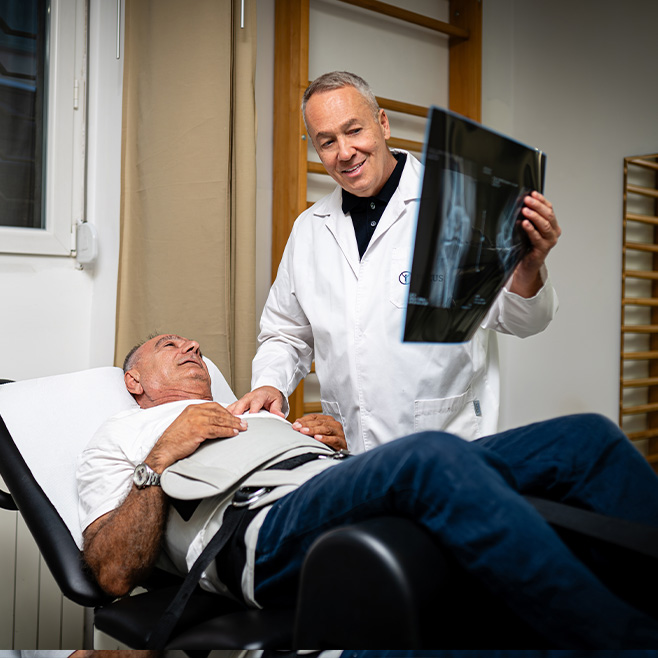
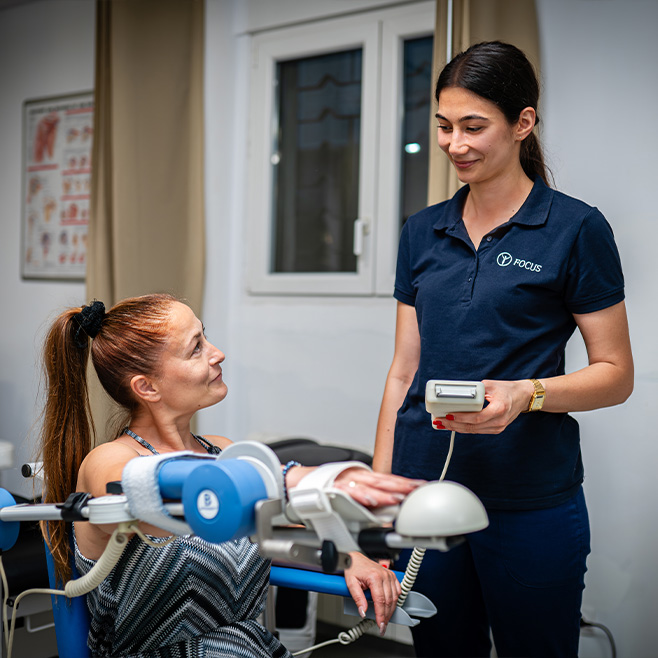
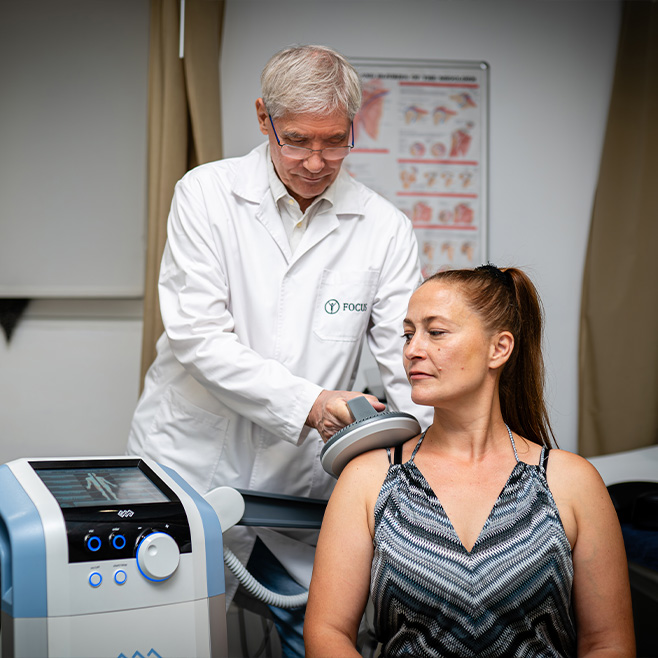
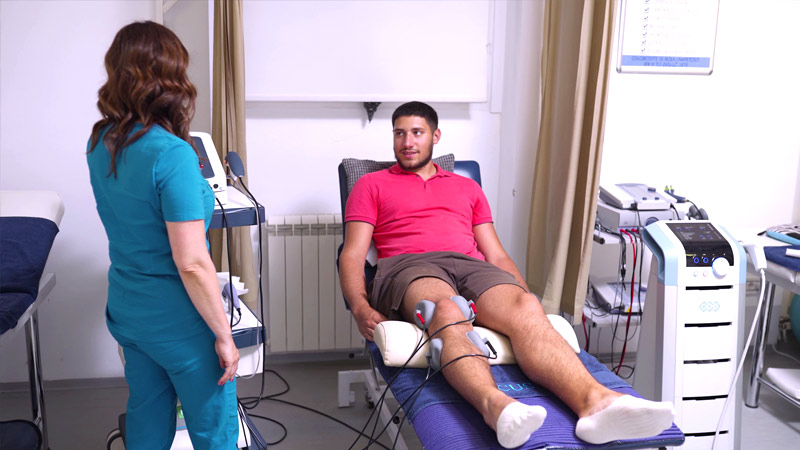

See the experiences of our satisfied patients who successfully recovered with the help of our physical therapy. Get acquainted with the testimonies of patients who faced various joint injuries, sports knee injuries, back injuries and similar problems, which we quickly, efficiently and successfully treated.
Aesthetic surgery
Focus Fizikal is a leading private clinic for physical therapy in Belgrade. For more than 10 years, we have been providing high-quality services that enable quick recovery and healing of our patients.




For all our current and future patients, we have made it possible to schedule an appointment online.



pon-pet:
08:00 - 20:00subota:
08:00 - 15:00


Mon-Fri:
08:00 - 20:00Saturday:
08:00 - 15:00