 +381 64 469 73 73
  Knee pain on the inner side
  Symptoms
  Causes
  Treatment
  FAQ
FAQ  Prices
  Gallery
  Testimonials
  Special offer
  Why choose us?
Cash
Through a current account
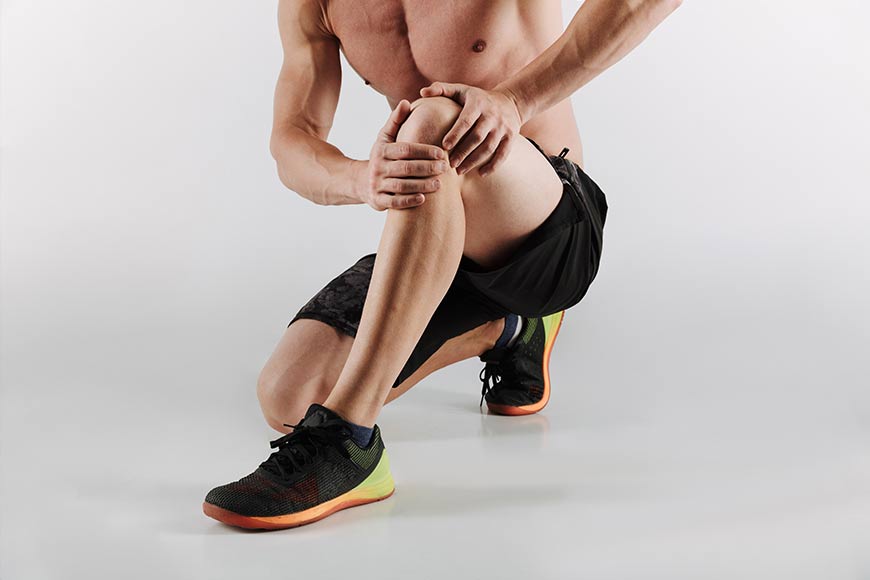
Focus Physical Therapy 100% guarantees fast and effective treatment.
SUPER DISCOUNT! 20% off all therapies in June! Call us 24/7!
Do not treat yourself based on information from the Internet!


Medial Knee Pain, medically known as pain on the inner side of the knee, is one of the most common locations for complaints in the lower extremities, as the inner part of the joint bears the highest percentage of weight-bearing during walking. This region encompasses the medial meniscus, the medial collateral ligament, and the muscle attachments that stabilize the leg, known as the pes anserinus or "goose's foot." Since the inner side of the knee is directly exposed to the forces generated with every foot strike, the structures in this area are more prone to faster cartilage wear and chronic tendon inflammation.
The anatomy of the medial knee is specific because the inner meniscus and ligament are tightly connected, making them sensitive to sudden rotations and lateral impacts. When the leg axis is disrupted, as in the case of "X legs" (genu valgum), the inner part of the joint is subjected to excessive pressure, while the ligaments are overstretched. Understanding the relationship between foot stability and the inner edge of the knee is crucial for identifying the exact source of pain in the patient. Timely physiotherapeutic diagnosis and gait correction help prevent more severe damage to the inner cartilage and allow for long-term joint longevity.
The cause of pain on the inner side of the knee is most often associated with mechanical overload, sports injuries, or degenerative processes that are specific to older age. Factors such as fallen arches of the feet, weakness of the inner quadriceps, or excess body weight directly contribute to the accelerated wear and tear of the inner part of the joint. Although the pain occurs in the knee, the root cause is often found in the improper weight transfer from the foot to the rest of the leg.
The main causes of pain on the inner side of the knee are:
Accurate identification of the cause of irritation allows for the creation of a treatment plan that will permanently eliminate the pain and strengthen the inner stability of the leg. Each of the listed causes requires a specific approach in rehabilitation to ensure that the tissue heals properly and returns to function.
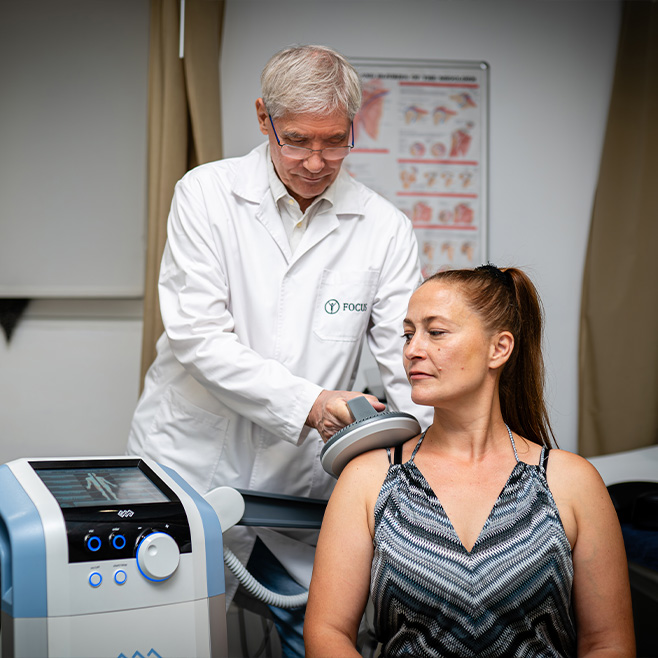
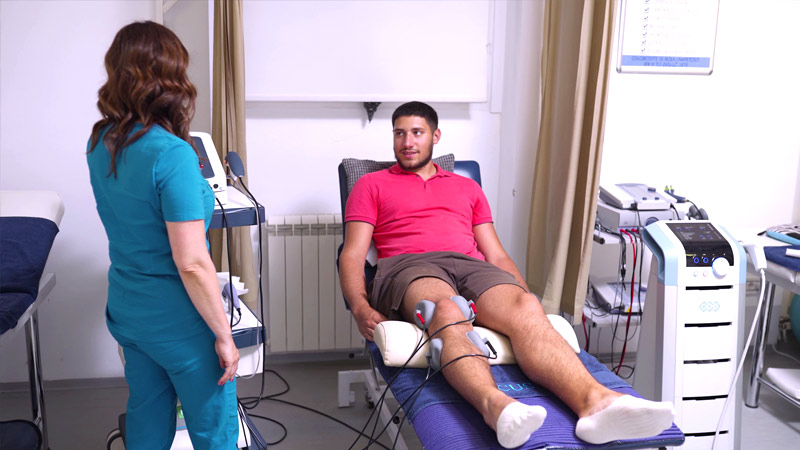
Treatment of pain on the inner side of the knee at the Physical Therapy Focus center is aimed at reducing compression in the medial part of the joint and strengthening the muscles responsible for proper leg alignment. The therapeutic protocol combines modern physical modalities for tissue regeneration and inflammation reduction with manual techniques that restore full joint mobility. Successful rehabilitation involves pain relief, knee stabilization, and restoration of proper biomechanics throughout the lower limb kinetic chain.
The modern rehabilitation approach includes the following phases:
Continuous adherence to the prescribed exercise program is essential for maintaining results and preventing recurrence of symptoms. This comprehensive approach restores knee stability and ensures safety in both daily and sports activities.
How long does it take to recover from an injury to the medial knee ligament?
Recovery time depends on the severity of the strain, but with regular physical therapy, mild injuries usually heal in three to six weeks. For more severe tears, the rehabilitation process may take longer and require strictly controlled strengthening of the stabilizer muscles.
Do dropped feet directly cause pain on the inside of the knee?
Yes, dropped arches cause excessive inward rotation of the lower leg, which creates constant tension in the medial structures and pressure on the inner cartilage. The use of orthopedic insoles is often a necessary part of a permanent solution to this problem.
What is the most common cause of sharp pain at the joint line itself?
Most often, it is an injury or irritation of the inner (medial) meniscus. The meniscus acts as a shock absorber, and the pain usually occurs when rotating the leg, squatting, or fully straightening the knee. Patients often describe a "poking" or "jumping" feeling inside the joint.
What is "Crow's Foot" (Pes Anserinus) and why does it hurt below the knee?
It is the area on the inside of the lower leg, just below the knee, where three tendons attach. Inflammation of this area (bursitis) causes a dull ache that is most pronounced when climbing stairs, getting up from a chair, or while sleeping if one knee touches the other knee.
Could the pain be related to the ligaments (MCL)?
Yes. The medial collateral ligament (MCL) stabilizes the knee from the side. It is injured (strained) during sudden turns or impacts. The pain is localized directly on the inner side and increases if you try to push the knee inward.
Cash
Through a current account
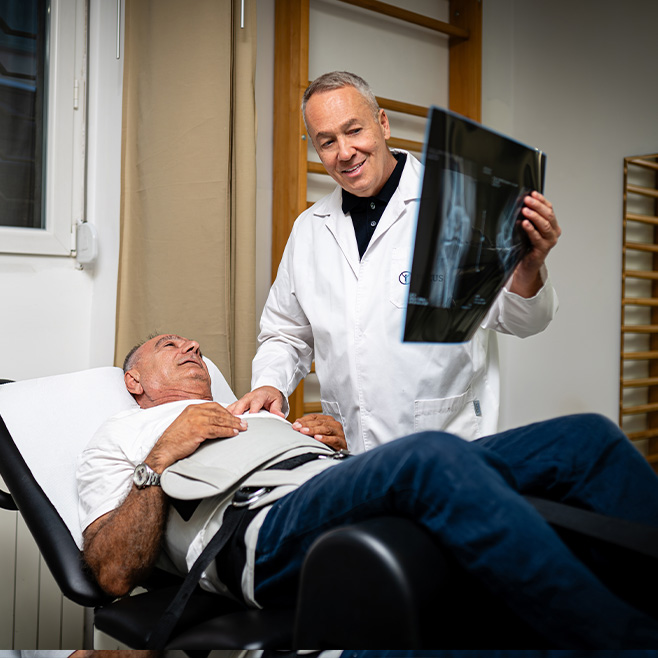
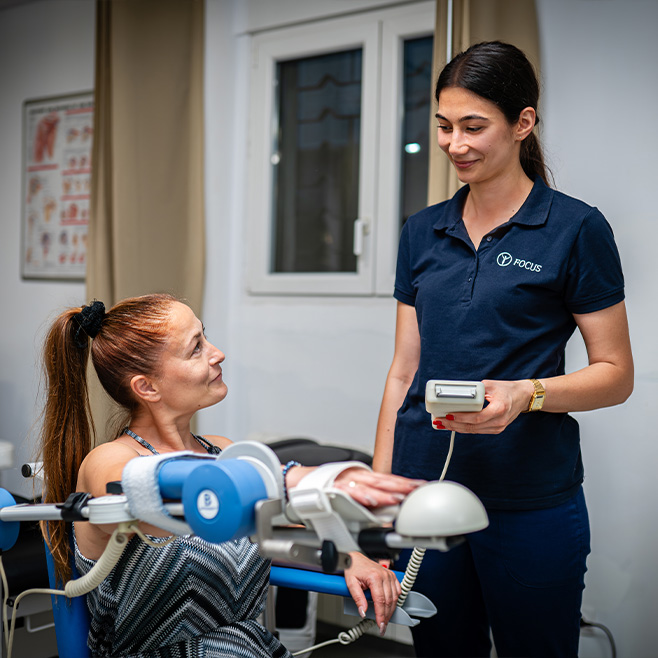

See the experiences of our satisfied patients who successfully recovered with the help of our physical therapy. Get acquainted with the testimonies of patients who faced various joint injuries, sports knee injuries, back injuries and similar problems, which we quickly, efficiently and successfully treated.
Aesthetic surgery
Focus Fizikal is a leading private clinic for physical therapy in Belgrade. For more than 10 years, we have been providing high-quality services that enable quick recovery and healing of our patients.




For all our current and future patients, we have made it possible to schedule an appointment online.



pon-pet:
08:00 - 20:00subota:
08:00 - 15:00


Mon-Fri:
08:00 - 20:00Saturday:
08:00 - 15:00