 +381 64 469 73 73
  Shoulder physical therapy
  Symptoms
  Causes
  Treatment
  FAQ
FAQ  Special offer
  Prices
  Gallery
  Testimonials
  Why choose us?
Cash
Through a current account
Focus Physical Therapy 100% guarantees fast and effective treatment.
SUPER DISCOUNT! 20% off all therapies in June! Call us 24/7!
Do not treat yourself based on information from the Internet!


The shoulder joint consists of three bones: the upper part of the upper arm (humerus), the scapula and the clavicle. The entire shoulder joint is surrounded by a joint capsule filled with fluid that lubricates the joint and makes it function properly.
If the joint loses its mobility or a part of its mobility, as a consequence there is a reduced secretion of that fluid and further complications (arthrosis, crepitations, frozen shoulder, contractures in the joint itself). The walls of the capsule are made up of ligaments that connect the muscle to the bone.
Dynamic stabilizers of the shoulder are made up of four muscles: supraspinatus, infraspinatus, teres minor and subscapularis. They are responsible for the humerus standing firmly in the cup. The shoulder is the most mobile joint in our body, so injuries are very common.
Pain in the shoulder can continue due to calcification, that is, the accumulation of calcium in the tendons of the rotator cuff. Additionally, shoulder pain can be a result of a rotator cuff injury. Ruptures of the rotator cuff occur more often in later life, but they can also occur in younger people, mostly athletes.
This injury occurs in the elderly as a result of falling or straining the shoulder while lifting.
The clinical presentation of shoulder joint problems develops gradually, but the symptoms are very pronounced and directly indicate the degree of soft tissue compromise. At the Fizikalna Terapija Focus center, we carefully analyze every manifestation of pain and movement limitation, as early recognition of these signs allows us to prevent permanent adhesion of the joint capsule.
The most common symptoms include:
At the Fizikalna Terapija Focus center, recognizing these signs in the early phase is a key step toward successful recovery, as it allows timely intervention to prevent acute inflammation from progressing into chronic tissue damage or permanent loss of joint function.
The development of shoulder pain and dysfunction can result from acute trauma, but it is far more often the consequence of cumulative stress and prolonged biomechanical overload. At our center, through detailed analysis of posture and movement habits, we identify the primary cause that has weakened the shoulder stabilizers.
The main causes of shoulder problems are:
It is very important to start shoulder physical therapy as soon as possible when the first symptoms of shoulder pain appear. Please call us as soon as possible when you feel pain in your shoulder that has been bothering you for more than two days.
Treatment of calcifications in the shoulder
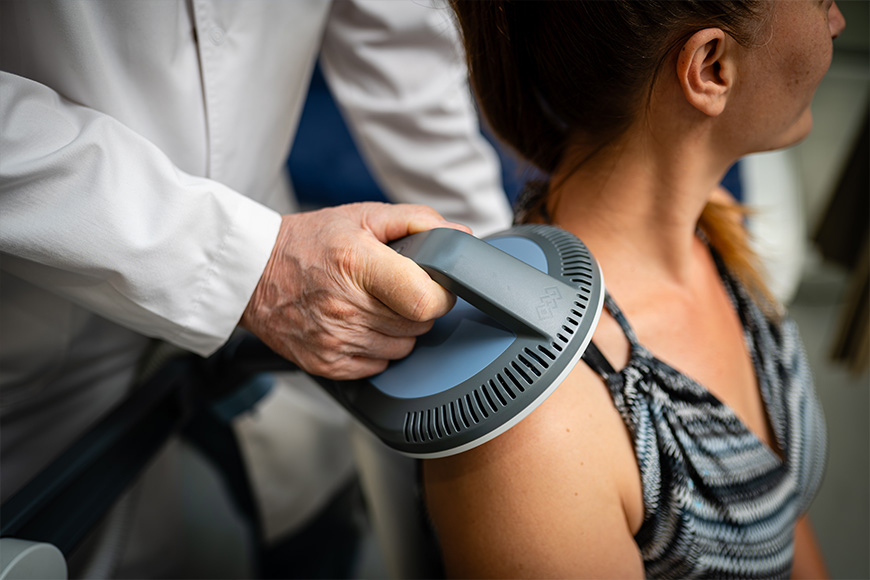
Treatment in most cases is non-operative. After a detailed examination of the patient and ultrasound diagnosis, the treatment begins, which consists of the application of various physical therapy techniques. The main goal of physical therapy is to reduce tendon inflammation, and shockwave therapy is mostly used for this goal. After successful treatment, it is necessary to carry out adequate kinesitherapy to restore the full range of motion of the shoulder.
Treatment of rotator cuff tendon tears
The treatment depends on several factors: the age of the patient, the work the patient does and the degree of damage to the shoulder. Treatment aims to reduce pain and restore normal shoulder function. Treatment can be non-operative (rest, cessation of all shoulder activities) or operative (surgery).
Correctly prescribed physical therapy by a physiatrist is a key factor in the treatment process of shoulder tendon rupture. Physical therapy aims to reduce pain, improve circulation in the shoulder itself, and speed up the healing process of the injury. The rehabilitation itself requires a multidisciplinary approach and constant monitoring of the patient's condition.
Treatment of shoulder pain is most often performed using:
What is a rotator cuff tear?
By rupture of the rotator cuff we mean the complete or partial tearing of one of the four muscles that make it up. Rupture can be caused by injury or degeneration of the shoulder.
What is an acute tendon tear in the shoulder?
Acute rupture of the tendon occurs when suddenly lifting a load or falling with an outstretched arm. The rupture of the tendon can be partial (rupture of one layer of the tendon) or complete rupture of the tendon where there is a complete separation from the attachment to the bone.
Rupture or rupture of the tendon leads to the fact that the tendon is no longer completely attached to the humerus. In most cases, the tendons are damaged over time, and as the process progresses, the tendon can be completely torn.
What is a degenerative tendon tear?
Degenerative rupture of the tendon is more common than acute rupture and occurs gradually due to the aging of the organism. Dominant use of one hand can also contribute to a degenerative tear of the tendon.
In the case of degenerative tendon rupture, the pain may initially be mild and present only during certain movements, and later present also in a state of rest. "frozen shoulder" (all shoulder movements are limited and painful for the patient).
Where does shoulder calcification occur?
Calcification of the shoulder usually occurs in the tendon of the rotator cuff muscle. The rotator cuff consists of four muscles, and their role is to stabilize the shoulder joint. It most often occurs in the tendon of the supraspinatus muscle.
What types of shoulder calcification are there?
There are two types of shoulder calcification: degenerative and reactive. Degenerative calcification of the shoulder occurs due to the aging of the organism. As we age, blood flow to the rotator cuff tendons decreases, causing them to weaken. When using the shoulders, the tendons tear and deteriorate more and more. Shoulder calcifications also form in damaged tendons as the body's response to injury.
The exact cause that leads to reactive calcification of the shoulder is not known. It is believed that there are three phases of this calcification of the shoulder. In the precalcification phase, there are changes in the tendons of the shoulder, which can lead to the formation of calcium deposits. In the calcification phase, there is intense formation of calcium deposits, and then they disappear. Later, the body starts reabsorption, and that's when the shoulder hurts the most.
What are the most common causes of shoulder calcification?
The exact cause of calcification in the shoulder is unknown. The most common causes are thought to be overuse of this joint or aging, and often a combination of the two.
In which type of person is shoulder calcification most common?
Shoulder calcification occurs most often in women over 50 years old, as well as in athletes, obese people and people with diabetes or autoimmune diseases (Hashimoto's).
50% discount on shoulder treatment package
50% discount on a shoulder pain treatment package at a great price of 5,000 RSD (10,000 RSD). The shoulder package includes:
Treat your shoulder pain quickly and effectively! Call us 00–24h!
Therapy day (2 classic physical therapy procedures with Shokwave or hilt)
6.500 din -
4.000 din
6.500 din -
4.000 din
Therapeutic day (2-3 classic physical therapy procedures and SIS or hilt with kinesi therapy)
6.500 din -
4.000 din
6.500 din -
4.000 din
Therapeutic package of 10 treatments and control examination
55.000 din -
45.000 din
55.000 din -
45.000 din
Shockwave therapy calcification in the shoulder
4.500 din -
3.500 din
4.500 din -
3.500 din
Cash
Through a current account
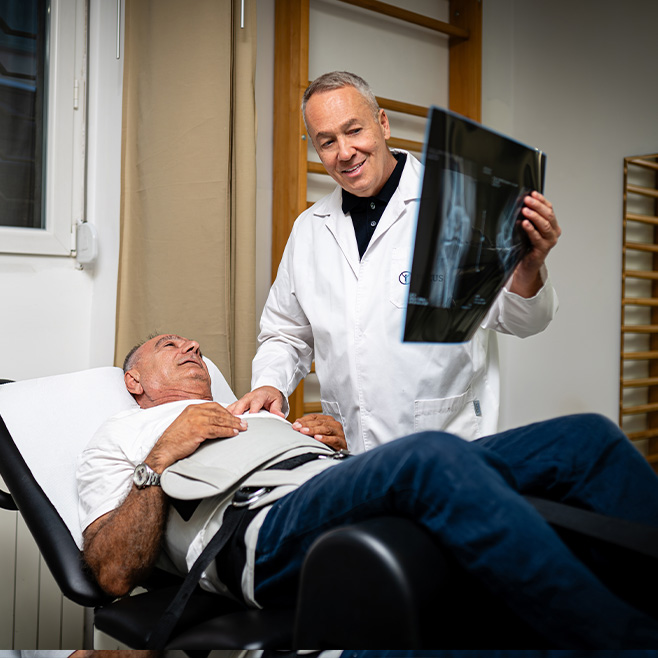
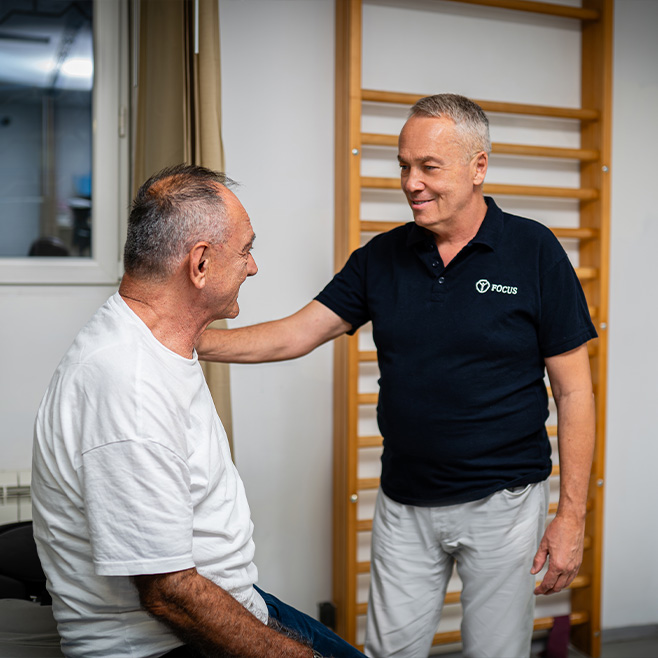
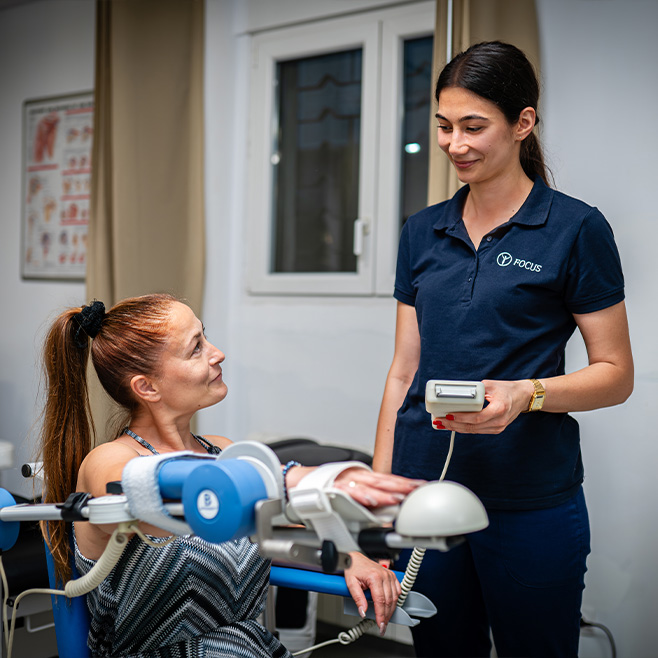
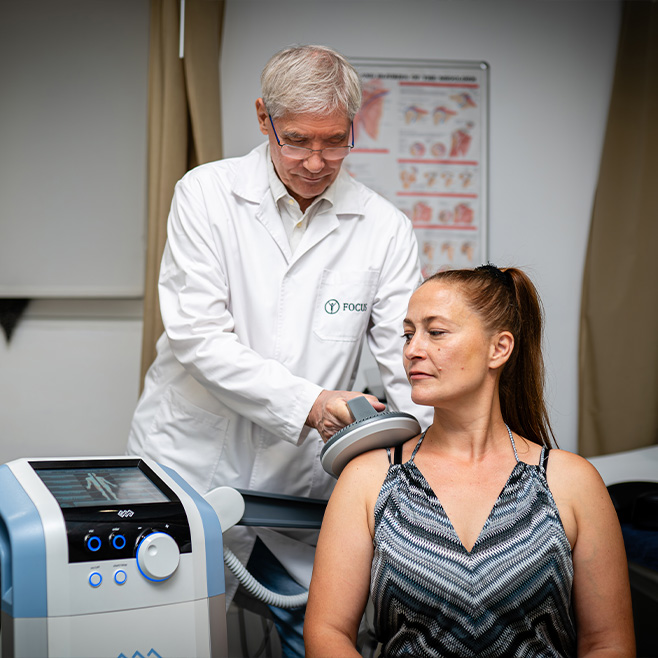
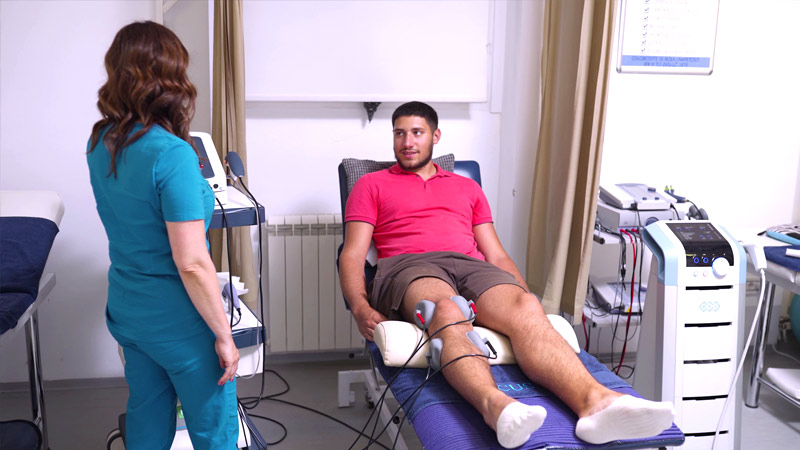

See the experiences of our satisfied patients who successfully recovered with the help of our physical therapy. Get acquainted with the testimonies of patients who faced various joint injuries, sports knee injuries, back injuries and similar problems, which we quickly, efficiently and successfully treated.
Aesthetic surgery
Focus Fizikal is a leading private clinic for physical therapy in Belgrade. For more than 10 years, we have been providing high-quality services that enable quick recovery and healing of our patients.




For all our current and future patients, we have made it possible to schedule an appointment online.



pon-pet:
08:00 - 20:00subota:
08:00 - 15:00


Mon-Fri:
08:00 - 20:00Saturday:
08:00 - 15:00